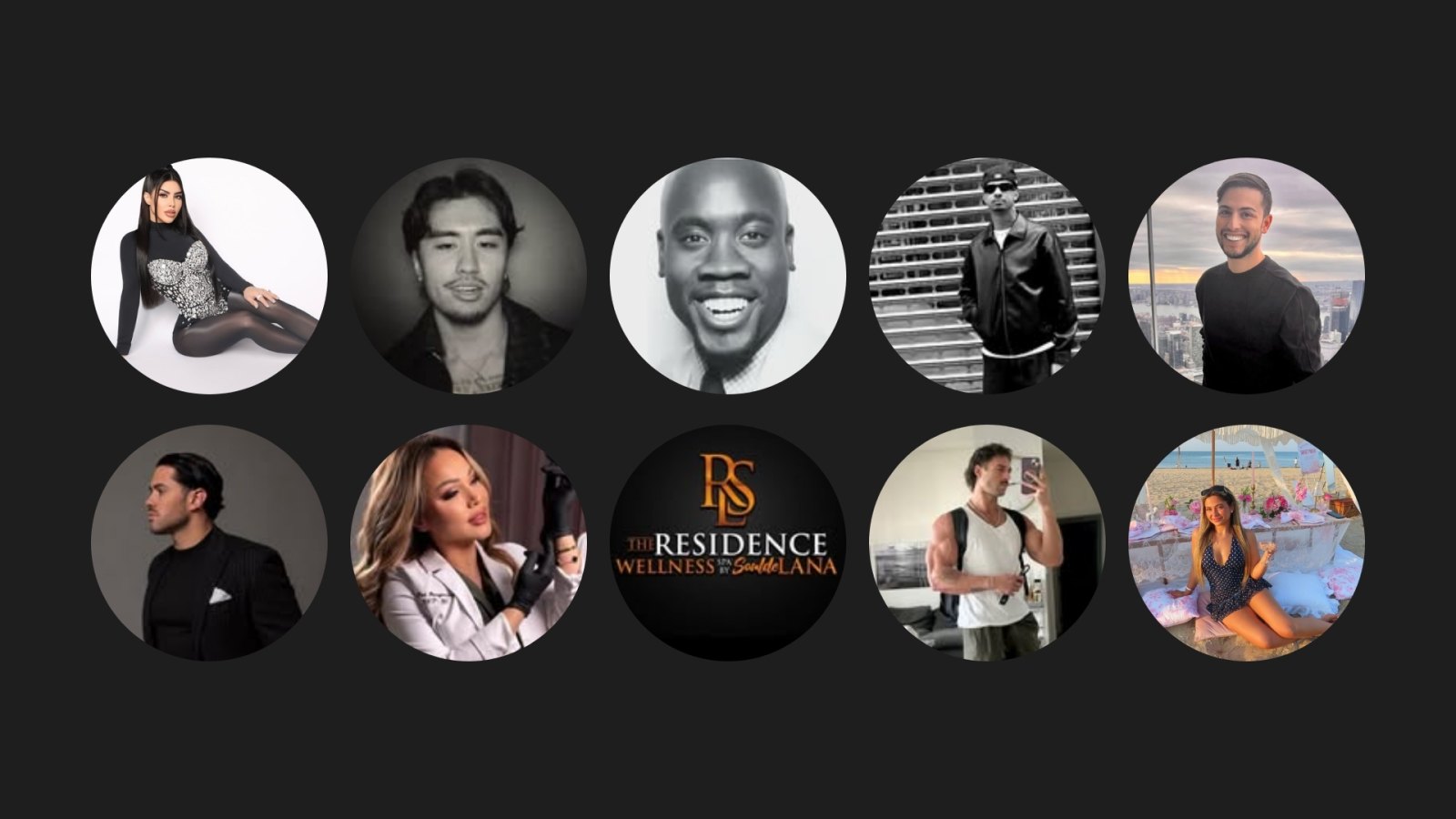
People Building Careers With Intent Across Beauty, Wellness and Culture
There comes a stage where separate efforts begin to align. Before that point, progress tends to feel uneven, shaped by pressure, timing and the need to keep moving without a clear sense of direction. Across beauty, wellness and creative work, more people are building within that kind of space, where experience quietly influences what happens next without needing a fixed plan.
That way of working carries into how things take form. Environments feel more settled when they’ve been shaped gradually. Services begin to reflect actual responses, adjusting in response to interaction. The people behind them stay involved, continuing to guide how things develop as they expand. Over time, that involvement creates a sense of continuity that holds through growth.
Movement rarely stays consistent. It can build, stall, then return in a different way, and that variation becomes part of how people engage with what’s in front of them. With enough time, those responses begin to influence direction, giving it a steadier shape without forcing it into place too early.
Early stages often revolve around repetition. Work builds through a series of small steps. Some decisions create immediate movement. Others take time to settle, forming a slower layer of progress that only becomes visible over time.
Those experiences begin to collect into patterns. They aren’t always obvious in the moment, though they become easier to recognize once enough of them have taken place. That recognition starts to shape the direction moving forward.
As that process continues, navigation becomes less forced. Decisions begin to follow what has already been learned, allowing the work to move with more consistency. Across different paths, this plays out differently. Some people repeatedly return to their work, refining each interaction through ongoing attention.
Others lean on structure, building systems that hold over time so the work can continue without needing to be rebuilt. In both cases, the direction develops through the same ongoing exchange between action and response.
Fatema Love

Fatema Love and her work connect back to a period of life where independence came early. Managing responsibilities at a young age shaped how she views stability, income and long-term growth. That perspective still influences how she runs her business today.
All for Love Beauty Bar carries that foundation into a physical space. Clients step into an environment that feels considered, where experience extends past a single appointment. The atmosphere reflects a broader focus on confidence and support, shaped by what she set out to create for herself and others.
That mindset carries into daily operations. Decisions around hiring, scheduling and expansion stay tied to sustainability. Growth advances in a way that can be sustained, allowing the business to maintain its structure as it develops.
Her work also extends into mentorship. She provides guidance for others entering the industry, sharing practical insight on building skills, managing income and staying consistent over time. That effort has created opportunities for others to build their own paths within the same space.
Expansion remains part of her long-term direction. The focus stays on building something steady, keeping it grounded and creating room for others to grow alongside it.
Alexander T. Nguyen

At its core, Alexander T. Nguyen’s work blends style with personal development, though the emphasis leans toward what supports confidence before any external detail comes into focus. Clothing and grooming remain part of the equation, though they connect back to how someone sees themselves first.
Routine plays a central role in that process. Repeated actions, even small ones, begin to influence how someone moves through daily life. Those habits create a sense of steadiness, shaping how presence develops across different situations without needing constant adjustment.
Nguyen also engages with topics that many people tend to sidestep. Conversations about self-image, mental health and direction appear measured and accessible. That tone helps people approach those ideas without pressure, making space for reflection over time.
His experience across multiple environments informs how he presents style. It becomes something shaped through personal context. That encourages people to build an identity that feels aligned with their own experiences, allowing growth to develop at a pace that feels sustainable.
Elle Plishty: The Watch Spot NYC

Elle Plishty built The Watch Spot NYC with an emphasis on clarity in a space where perception can influence decisions early. His work centers on high-value timepieces, though the focus stays on helping clients understand the piece itself, including its background, condition and place in the market. That context gives each purchase more grounding.
People arrive with different levels of familiarity. Some have spent years collecting, while others are approaching watches for the first time. Plishty adjusts how he explains details based on that starting point, breaking down information in a way that feels direct without overwhelming the process. That approach keeps decisions steady.
His work continues beyond a single interaction. Conversations often include how pricing moves over time, what collectors tend to look for and how certain pieces hold attention. Those discussions give clients a broader view that carries forward into future decisions.
Running a business in New York adds another layer. Things move quickly in that environment, and expectations tend to shift depending on what’s happening in the moment. Staying consistent across that movement becomes part of what clients return for, especially as they begin to recognize how he works. Over time, those interactions start to connect, creating something that feels more continuous.
Wilkins Petitfrere

Wilkins Petitfrere builds his approach to fitness around repetition and structure, where progress develops through steady effort across both intense days and slower ones.
Programs develop in a way that feels responsive without becoming unpredictable. Adjustments happen as needed, usually based on what someone is actually experiencing in the moment, while the overall structure keeps everything grounded. Movement and strength work continue to repeat, and that repetition, paired with discipline, starts to build something that feels stable without needing to be rigid.
That’s usually when awareness begins to take shape. Clients start connecting pieces on their own, noticing how certain efforts carry forward or how recovery plays into the next session. Those connections begin to guide what they do next in a way that feels more intuitive.
Over time, that awareness extends into independent routines. Training becomes something they can carry forward on their own. He also works with others entering the field, offering guidance on building structure within their work. His philosophy remains direct. Progress develops through discipline and is reinforced through repetition.
Mark Nugent

Mark Nugent’s work comes together through overlap. Fashion, music and branding keep feeding into each other as ideas carry forward, sometimes showing up in a new form without much separation from where they started. That ongoing exchange gives each project a sense of connection, where one thing quietly informs the next as it develops.
Spiritual Army follows that same energy. It extends into events and collaborations that bring people together in different environments, with each project adding something new while still tying back to what already exists.
Music fits into that process in a more immediate way. His sets build off what’s happening in the room, with small changes happening in real time as the atmosphere develops.
Living between cities adds depth to that process. Exposure to different environments influences how ideas take shape, allowing his work to change while still maintaining a consistent direction across each area.
David Chalhon

Botox expert David Chalhon moves across aesthetics and supply real estate development, two areas that depend on coordination over time. Each involves managing timelines, people and resources while keeping projects aligned from early planning through completion. That kind of structure relies on how well individual decisions connect, especially when multiple elements are in motion at once.
Long hours spent around medical operations shaped a working style in which consistency held everything together throughout the day. Systems either work or problems show up quickly, often in ways that can’t be ignored. That perspective carried into real estate, where projects run longer but still depend on coordination between teams, materials and shifting conditions.
A project doesn’t wait for perfect conditions. It moves, even when things feel unfinished or unclear. Decisions happen in real time, sometimes with incomplete information, and they shape everything that follows. Progress builds through momentum, without requiring pause-and-reset thinking.
That carries into how the work expands. Consistency comes from staying engaged with what’s happening. It doesn’t need to lock everything in early. The result reflects that kind of attention.
Parvina Ibragimova

Parvina Ibragimova approaches aesthetics with a focus on balance. The work itself leans toward refinement, where small changes are placed with care and shaped by both clinical experience and a strong sense of proportion. Each choice connects back to the full picture, allowing everything to come together without drawing attention to a single area.
A starting point takes shape during consultation, though it tends to move as details surface and begin to clarify. From there, timing becomes part of the structure. Changes are introduced with space between them, allowing results to settle and reveal how they interact before anything else is added.
Under all of it is a clinical foundation that informs how each step is handled, where precision and consistency guide both decisions and execution across the process. Clients return with a clearer sense of what works, allowing treatments to build more easily from one appointment to the next. Each visit adds another layer of context.
Ben Birke
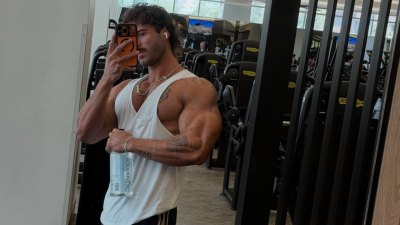
Ben Birke’s platform centers on a view of fitness that integrates with daily life, building routines that can continue through travel, changing schedules and social environments. His work highlights how consistency forms when habits adapt to real situations rather than relying on controlled conditions.
That approach was developed through personal experience that shaped how he understands training and recovery. Health challenges led to a closer awareness of how the body responds, influencing a method that supports steady progress across longer periods.
His content visibly presents that balance. Fitness appears alongside other parts of life, showing how routines can exist within a wider context without needing to stand apart. This perspective helps create a more connected view of how habits develop.
He also acknowledges disruptions as part of the process. Changes in routine, missed time and shifting priorities all influence progress. The response to those moments plays a role in maintaining direction over time.
As his platform grows, his work continues to expand in how it communicates that perspective. The core ideas remain consistent, while the ways they are shared continue to develop.
Souldelana
The Residence Wellness Spa by Souldelana brings different forms of care into one setting, where recovery, aesthetics and maintenance coexist. That approach gives each visit a sense of connection, where what happens in one appointment can carry into the next.
Most clients come in with something specific in mind, though that focus tends to change once they start moving through the space and begin to understand how the treatments relate. What begins as recovery can turn into maintenance, while aesthetic work finds a place within a larger routine that develops gradually. That movement keeps everything feeling relevant without breaking the overall flow.
The space carries part of the experience before anything else happens. People move through it in a way that feels guided without being directed step by step, with each area leading into the next through pacing that builds naturally over time.
Familiarity shows up gradually. After a few visits, clients start recognizing what fits together and works for them, and those patterns begin to settle into routines that feel easier to follow.
Lana stays involved in how the spa develops, paying attention to how each addition lands in practice and the way it fits into what already exists, so the overall experience holds together. Growth remains tied to personalization, allowing the experience to stay grounded even as the range of services expands.
Gia Picciano

Gia Picciano’s platform in beauty centers on connection, where services act as part of a longer relationship that develops across time. Clients come in with specific goals, though the experience continues through ongoing interaction that builds familiarity.
Her process begins with conversation, where preferences are clarified and sometimes reworked before anything is set. From there, adjustments are made gradually, allowing those ideas to develop over multiple appointments in a way that fits both personal style and daily life.
A background in performance continues to influence how she sees presentation. Movement, expression and presence all factor into how details come together, shaping results that hold across different settings.
As visits repeat, each one adds context. Clients begin to recognize what works for them, and that recognition helps guide future decisions while keeping the overall experience connected.
Over time, that familiarity settles into the structure itself. Communication becomes more direct, and preferences become easier to read, allowing everything to move forward with clarity.
Her perspective continues to shift outside the treatment room. Daily experiences feed back into her work, keeping it aligned with how her clients live.
What the Work Becomes
Some work earns its shape slowly, through days of practice that turn loose effort into something more dependable. At the beginning, each part can seem to move on its own, with energy spread across many directions at once. Given time, repetition begins to draw those parts closer together.
Patterns appear, instincts sharpen and the work starts to carry a steadier sense of purpose that grows through attention, memory and daily involvement. That slow gathering creates familiarity and gives effort shape.
That direction leaves traces in the work itself. A room, service or system reflects the process that shaped it, carrying signs of revision, responsiveness and accumulated knowledge. People return to work that feels considered, and that creates its own feedback, deepening the connection between what’s offered and needed. The people guiding the work stay active within that exchange, shaping each layer as it develops and carrying forward what earlier experience has made possible.
Where it Starts to Hold
With time, the underlying structure becomes easier to recognize. Separate efforts begin to feel connected through a shared process, and each stage contributes something useful to the next. That continuity gives the work a stronger internal frame, helping progress feel clearer and more deliberate. Repetition strengthens that frame further, since practice reveals which choices support growth and the habits that help the work make sense as it expands.
As more experience settles in, decisions are easier to make. The work has a history to draw from, which gives present choices more grounding. A foundation begins to hold with greater strength, supporting additions that arrive through growth, revision and renewed attention.
Over time, the work develops a kind of steadiness that comes from people staying close to it, learning from it and shaping it with patience. That steadiness arrives gradually. It builds through ongoing care, repeated effort and the deepening that turns experience into something visible, useful and lasting for the people who encounter it every day across changing contexts and daily use.
The information provided in this article is for general informational and educational purposes only. It is not intended as legal, financial, medical or professional advice. Readers should not rely solely on the content of this article and are encouraged to seek professional advice tailored to their specific circumstances. We disclaim any liability for any loss or damage arising directly or indirectly from the use of, or reliance on, the information presented.