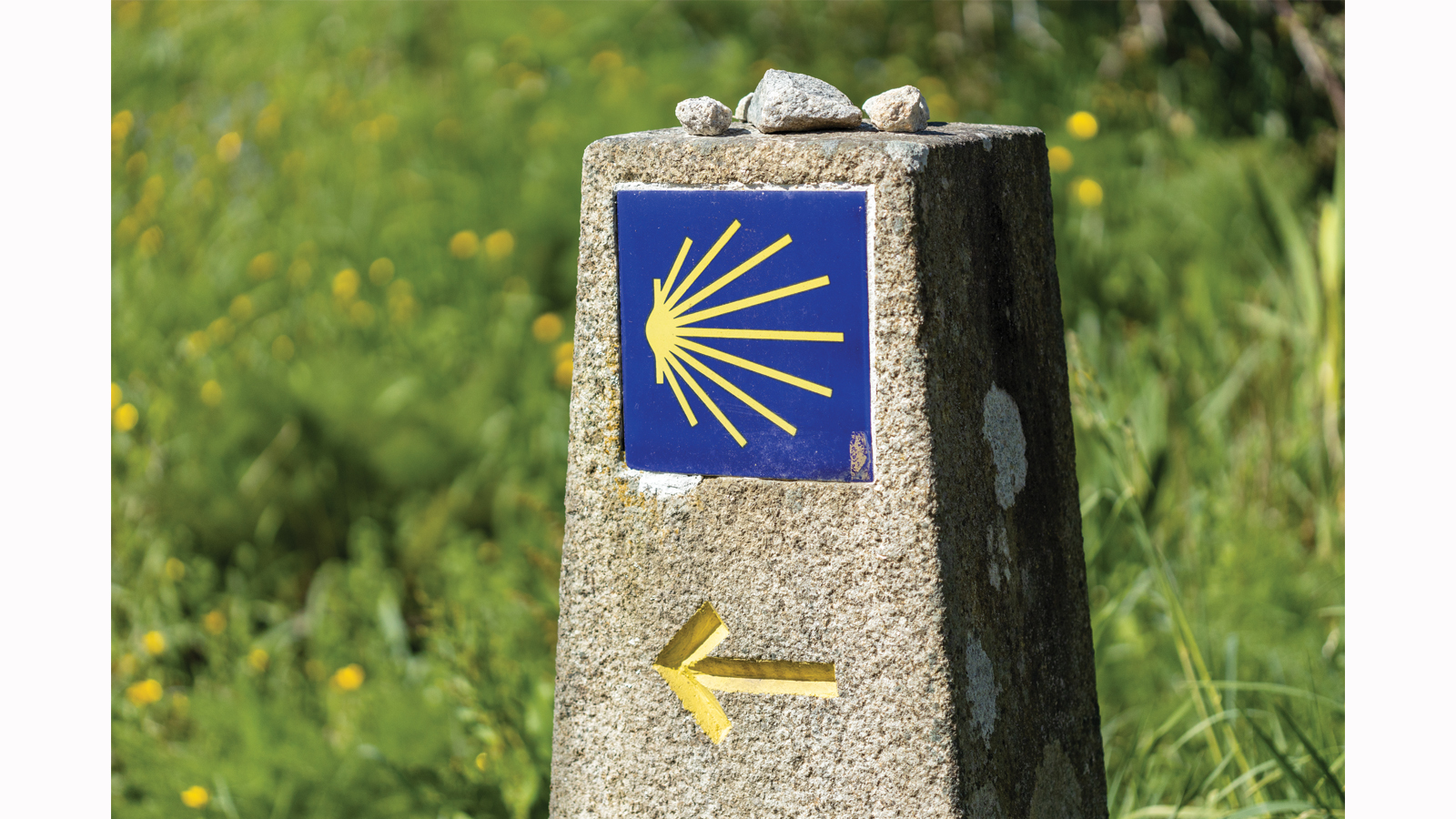
Walking Lightly: The Shared Responsibility of the Camino
At dawn, the Camino de Santiago in Spain feels suspended between centuries. Footsteps echo across stone bridges. Church bells mark the hour. A pilgrim adjusts a backpack and begins again.
The route is often described as spiritual, historic, or transformative. Yet beneath those words lies something more practical. The Camino is a shared corridor. Thousands pass through villages built for hundreds. Fields, chapels, cafés, and family-run albergues absorb the rhythm of constant movement.
Walking lightly means recognizing that you are part of that rhythm, not separate from it. The concept aligns closely with what advocates call spiritual responsible tourism. This mindset pairs reflection with stewardship rather than consumption.
Gratitude Becomes Reciprocity
Pilgrims often speak about gratitude for the landscape and the hospitality they encounter. Gratitude, however, becomes meaningful when it turns outward.
Supporting local albergues, cafés, shops, guides, and artisans keeps the Camino alive as a lived tradition rather than a passing attraction. Choosing locally rooted services over extractive, low-benefit options allows small communities to sustain themselves.
Small acts matter. Tidying shared dormitories. Thanking hosts. Offering fair payment where customary. Leaving a space better than you found it turns appreciation into reciprocity. The pilgrimage becomes less about what you take home and more about what you contribute while passing through.
Simplicity Becomes Lower Impact
The Camino has always carried a lesson in simplicity. Pilgrims quickly learn that excess weight slows the journey. That physical truth mirrors an environmental one.
Packing lighter reduces strain on both body and place. Refillable water bottles replace single-use plastics. Durable clothing and minimal toiletry kits prevent waste. Repair becomes preferable to replacement. Simplicity becomes an ethic rather than a style. You bring less. You discard less. You leave less behind.
Organizations such as Viajecaminodesantiago.com encourage this approach, framing simplicity as a form of respect rather than sacrifice.
Care Becomes Cultural Respect
The Camino passes through churches, monasteries, memorials, and quiet village streets. These spaces hold daily life as much as history.
Responsible walkers observe silence where it is requested. They ask before photographing individuals. They remain mindful of private property and farm paths that double as pilgrimage routes.
Respect does not require ceremony. It requires awareness. Early morning streets belong to residents preparing for work. Chapel interiors belong to those in prayer. The pilgrim’s presence should not interrupt either.
Care Becomes Ecological Responsibility
The path itself demands attention. Staying on marked trails prevents soil erosion. Avoiding shortcuts protects fragile ground cover. Carrying out litter and using designated bins keeps villages and the countryside intact.
Water, too, carries weight. In regions facing drought or seasonal strain, mindful use honors the reality of local life. Walking lightly is not symbolic. It is practical. The land remembers footsteps.
Timing as Consideration
The Camino’s popularity brings pressure to small towns with limited capacity. Off-peak travel, earlier departures, or choosing less crowded route variants can ease bottlenecks.
Spacing rest days in larger cities allows smaller villages breathing room. Flow becomes part of care. The pilgrimage slows naturally when it spreads thoughtfully.
Heritage as a Living Duty
The Camino is not a checklist of milestones. It is architecture still inhabited, traditions still practiced, and landscapes still cultivated. Responsible behavior helps protect these layers. Gratitude sustains local life. Simplicity reduces impact. Care preserves culture and ecology.
Walking lightly means understanding that the Camino does not belong to one traveler. It belongs to generations past and future. You step forward knowing the path continues long after you pass.
Life & Style partners with external contributors. All contributor content is reviewed by the Life & Style editorial staff.