This Isn’t Your Nonna’s Red Sauce: Inside the Contemporary Italian Renaissance at Via 13
In Italy, the past has always been present, especially at the dinner table. For decades, Italian restaurants at home and abroad have treated tradition as immovable, upholding the classics with near-religious reverence. Bolognese, carbonara, amatriciana, each dish has followed a script, rarely rewritten. Over the last several years, however, something has quietly shifted. Across cities like Naples, Rome, and Milan, a new generation of chefs has begun nudging the canon forward. They are not erasing history, but reframing it with curiosity and intention.
This evolution is not about theatrics or provocation. It’s not “modern Italian” in the stylized, often soulless sense. Nor is it fusion, that well-worn fallback for menus seeking novelty without roots. Rather, it’s contemporary Italian: food that draws on regional tradition while embracing a fresh sensibility. Dishes are still familiar, but not predictable. Recipes retain their integrity, but carry unexpected notes of texture, temperature, or technique. A plate might arrive with the structure of a memory, but the impression it leaves is new.
This is the spirit that defines Via 13, a reimagined Italian restaurant tucked into a quiet stretch of the West Village. Formerly known as Sotto 13, the space has been fully renovated, renamed, and re-conceptualized. It is reborn as a restaurant that reflects Italy today, not Italy from a tourist’s postcard. It is contemporary Italian in its purest form: bold but genuine, unexpected but grounded.

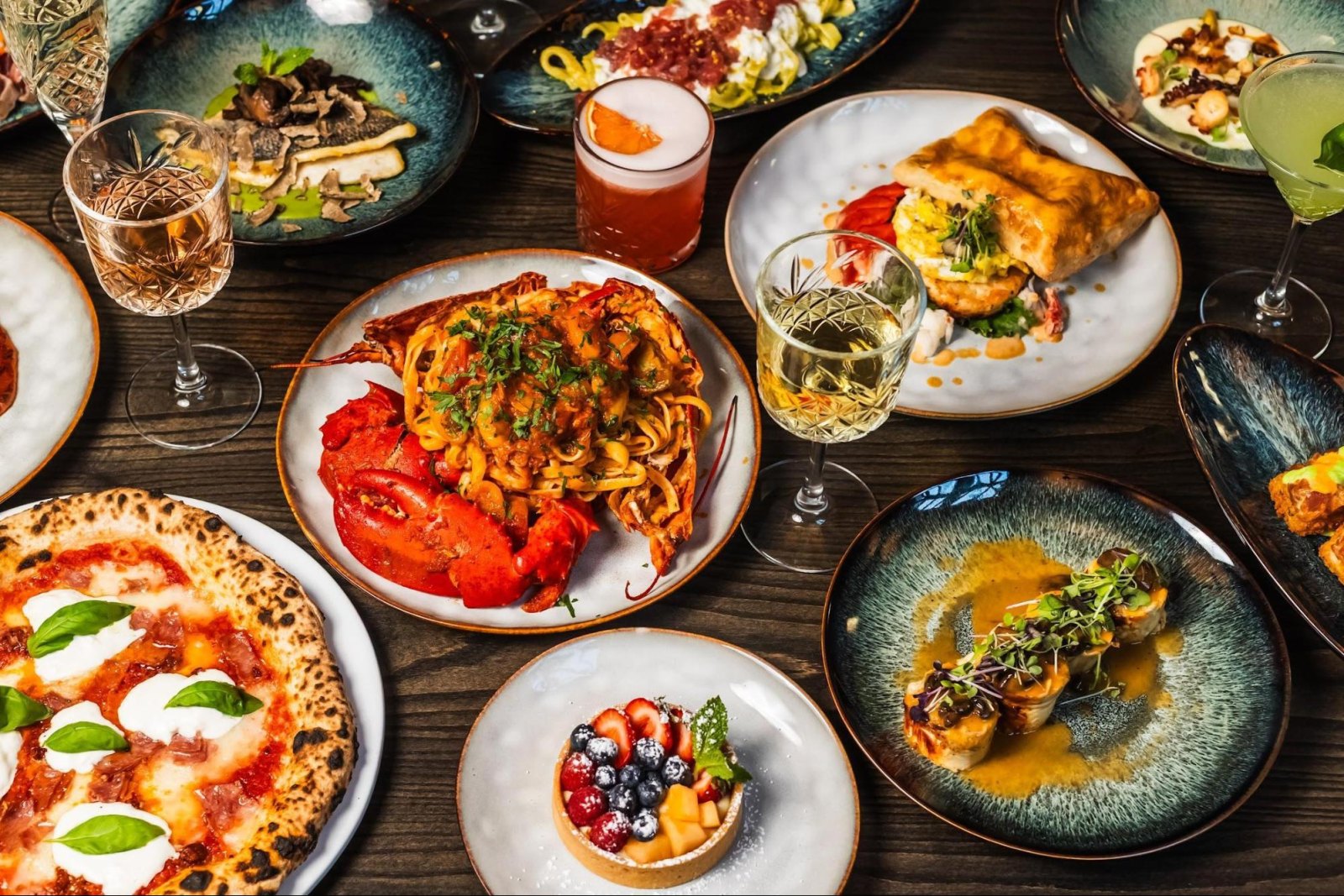
Via 13’s approach is clear from the first glance at its menu. A standout appetizer, lasagna nigiri, subverts expectations while preserving lineage: layered pasta, fried crisp with béchamel and wasabi cream, topped with bright tuna tartare. Again, it’s not fusion, it’s evolution. The carbonara di polpo replaces pancetta with octopus, offering a coastal take on a Roman staple without losing its soul. The spaghettoni with sea urchin and black truffle evokes southern Italian depth and northern elegance in a single, composed dish.

These plates aren’t meant to shock, but to surprise. They reflect a philosophy that Italian cuisine is not static. The cuisine, and Via 13’s menu, breathes, it moves, it adapts. That perspective extends beyond the kitchen. Hospitality at Via 13 is warm, intuitive, and intentional. Servers remember your name. They recall your favorite wine. Most importantly, at the end of each meal, guests receive a cornicello, a horn-shaped amulet steeped in Southern Italian superstition and said to ward off the evil eye. Traditionally, it is never sold, only given to preserve the good luck charm. Via 13’s version is cobalt blue, a nod to the copper and navy tones that accent the restaurant’s interior. The ritual is subtle but resonant, an emblem of a deeper care.

Together, these elements form a restaurant that is more than the sum of its parts. Via 13 does not traffic in gimmicks or nostalgia. It offers something more compelling: a vision of Italian dining that is richly authentic, quietly confident, and fully of its time. For diners seeking what’s next, not just what’s familiar, it’s a discovery worth repeating.
Life & Style partners with external contributors. All contributor content is reviewed by the Life & Style editorial staff.