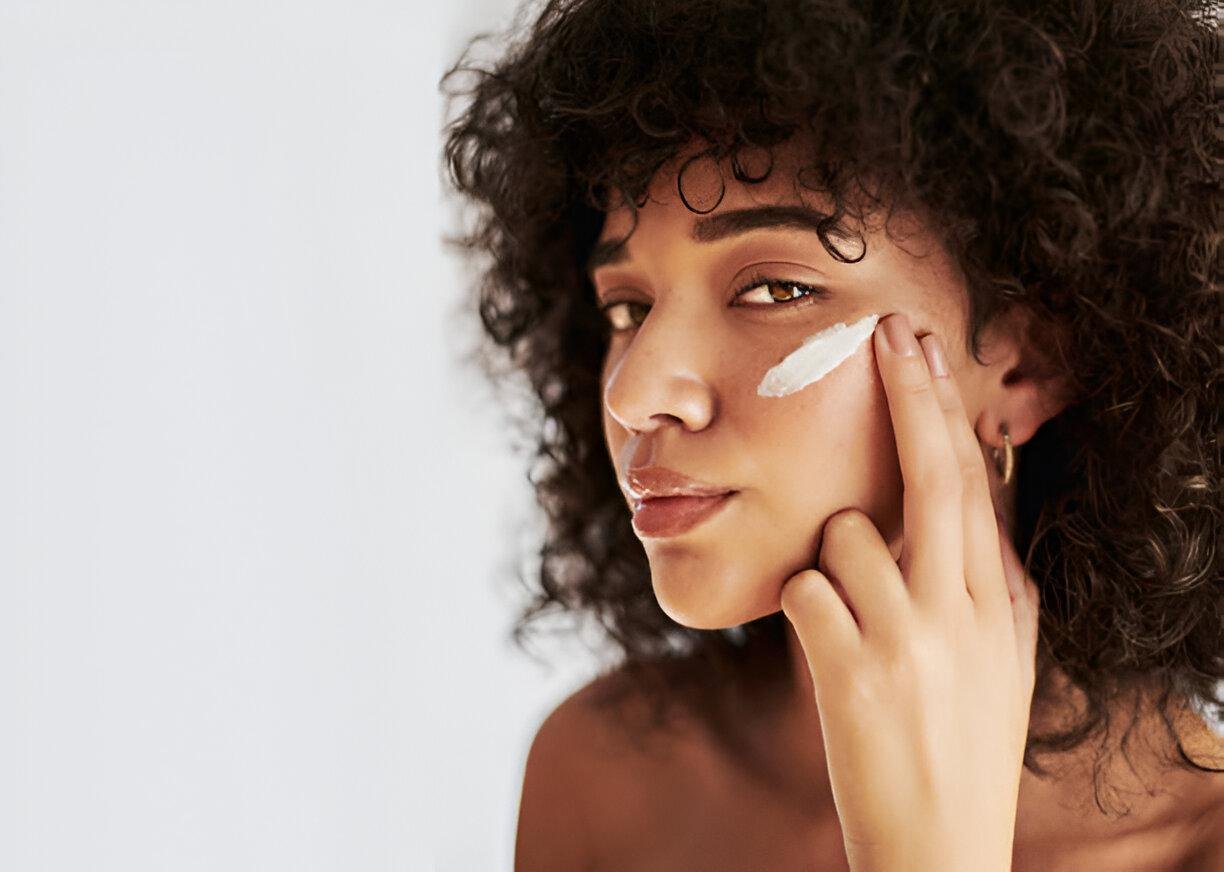
Dry Skin? What to Know About Recovery Creams and Daily Moisture
When you have dry skin and moisturizer doesn’t seem to work, it can be frustrating. Your face may feel fine after your morning skincare routine, but a few hours later it can feel tight or rough. Weather changes, indoor heating, frequent washing, and certain skincare products can all contribute to the problem.
For people dealing with recurring dryness, the answer may not be adding more products. A closer look at a moisturizer’s ingredients and the habits around its use can make a routine more manageable. Recovery creams are one option, combining moisturizing ingredients with components intended to help skin feel more comfortable.
Why Dry Skin Can Be Difficult to Manage
Skin contains moisture and protects against external irritants. If this barrier is broken down, moisture can easily leak out, resulting in rough, tight, or dry skin.
Everyday habits such as over-exfoliating, using harsh cleansers, or taking long, hot showers can contribute to dryness. The environment can also affect how your skin feels, especially in low-humidity rooms or during winter.
A moisturizer can address some of these issues, but, again, you need to be consistent. The trick is to find a good cream to apply after washing, stick with a consistent routine, and avoid products that irritate your skin.
What Is a Recovery Cream?
“Recovery cream” is an umbrella term for moisturizers intended for dry, stressed, or uncomfortable skin. It’s not a standard category of product, so ingredients and uses can vary wildly from brand to brand.
One example is BioVelvet barrier cream, a formula that includes New Zealand deer antler velvet extract, allantoin, bisabolol and Dead Sea minerals. The ingredient list also contains glycerin, sodium hyaluronate, jojoba seed oil, aloe vera, tea tree oil and royal jelly extract.
These ingredients serve different functions in skin care products. Glycerin is a humectant that pulls water into the skin. Sodium hyaluronate, a form of hyaluronic acid, is commonly used in moisturizers to help skin retain moisture. Jojoba seed oil is being used here as an emollient to condition the top of the skin.
Allantoin and bisabolol are some of the most common comfort ingredients. Aloe is also a popular skincare ingredient and is used in moisturizers. A cream’s name and marketing claims can never tell you as much as a full formula.
Understanding Deer Antler Velvet Extract
One ingredient that distinguishes BioVelvet Recovery Cream from many conventional moisturizers is deer antler velvet extract.
Deer antler velvet comes from developing antler tissue. It contains a mixture of biological compounds, and researchers have investigated the material for a variety of potential applications. However, research involving deer antler velvet does not automatically establish that a topical skincare product will provide specific benefits.
Tests on animals and in laboratories are not clinical evidence of an effect on human skin. Ingredient concentration, processing, and other components of a finished formula will also influence the performance of a product.
For consumers, that distinction is worth keeping in mind. An interesting ingredient does not necessarily make a moisturizer more effective than a simpler formula.
The supporting ingredients deserve attention, too. Tea tree oil may not suit everyone, especially those with sensitive skin. Royal jelly extract can also be an issue if you’re allergic to bee products. It is advisable to check the ingredients before trying a new cream to avoid any unwanted reactions.
Building a More Comfortable Skincare Routine
You don’t need an elaborate skin-care routine to prevent dryness. Even a few minimal adjustments to your regimen can make it that much easier to maintain.
You might try starting out by using lukewarm instead of hot water. A mild cleanser may be much more effective than one that leaves your skin feeling tight or stripped. If you don’t have any other skin concerns, then moisturizer might be one of your most important choices — try applying moisturizer to damp skin after washing to help lock in moisture.
Another factor to consider is exfoliation. Exfoliants can support certain skin-care needs, but overusing them can irritate skin. If your skin feels dry, try cutting back on exfoliants for a while.
It’s also good practice to introduce new products slowly. Rather than swapping out multiple elements of a regimen at the same time, try one product and see how the skin responds. Patch testing a small area will get you a long way toward whether it’s likely tolerable, but it’s not a 100% sure bet; a reaction can still crop up later.
When Dryness May Need More Than a Moisturizer
Chronic dry skin is not always a cosmetic concern. For instance, eczema can result in itching, scaling, redness and discomfort that may need to be evaluated by a professional.
But if you’re still feeling dry even with a light skin care routine, or if you have pain or severe cracking/irritation, then you’ll want to see a doctor. Experimenting with new creams without understanding the cause probably won’t address the problem.
If you have allergies or sensitive skin, be extra careful about the ingredients in the product. Even soothing products are not for everyone.
Finding the Right Approach to Everyday Moisture
Moisturizing creams can fit into a daily skincare regimen, but choosing one isn’t as simple as reading a label. Key factors to consider are the ingredients, texture, intended use, and your skin’s specific needs.
BioVelvet Recovery Cream contains traditional moisturizer ingredients, plus deer antler velvet extract and other botanicals. While its ingredient list may appeal to consumers looking for “something else” in their moisturizer, results and tolerability will vary by consumer.
To summarize, skincare can be simple and straightforward. Gentle cleansing, regular moisturizing, and listening to the skin are good places to begin. If dryness persists or becomes bothersome, a professional opinion is probably going to be more helpful than just another product that may end up lounging around the bathroom shelves.