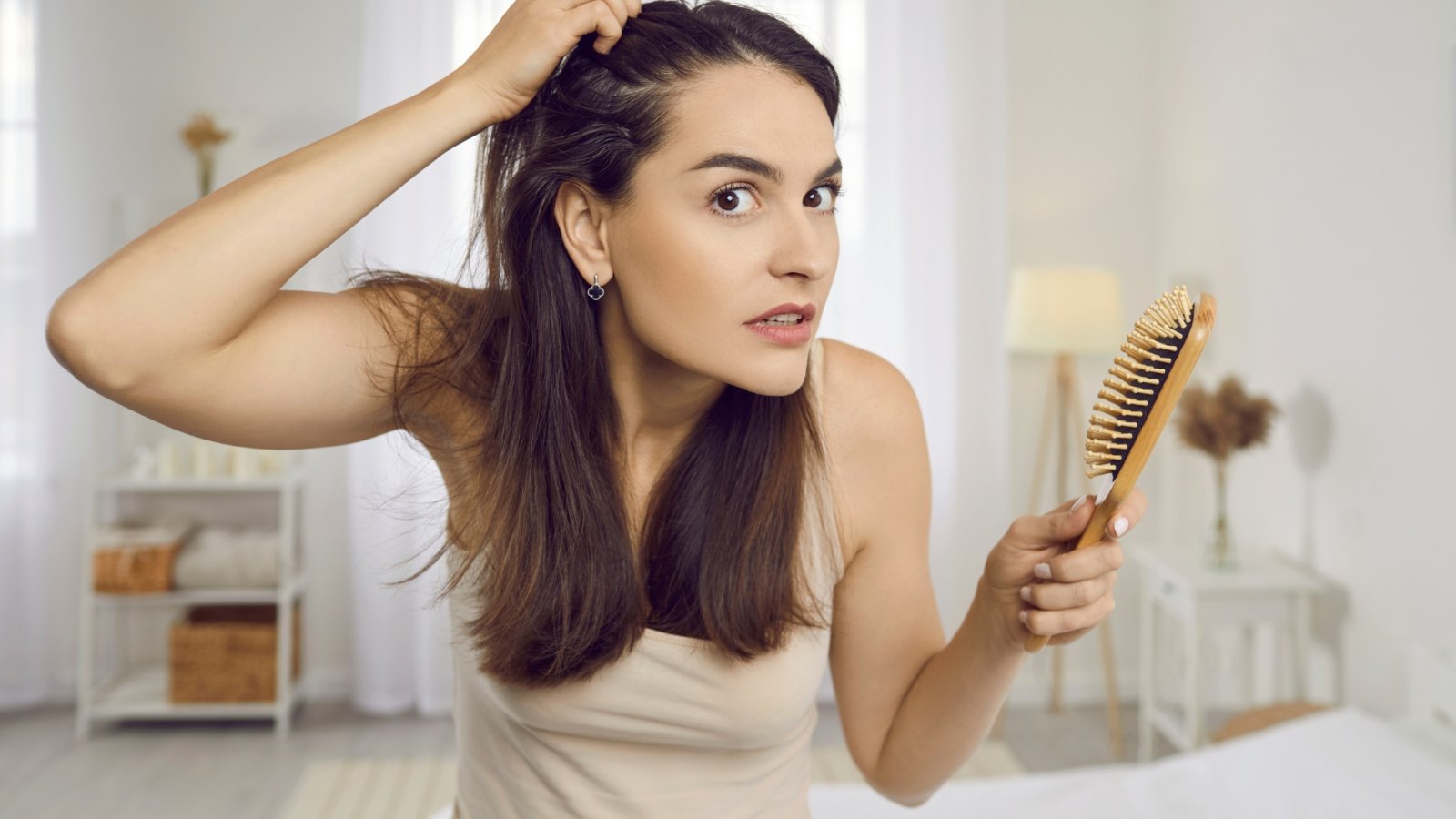
Hair Loss in Women: Factors That May Be Involved and Options to Consider
Hair loss is a beauty issue that many women are uncomfortable discussing. The American Hair Loss Association even reports that forty percent of Americans who experience hair loss are female. Hair loss is often more than a cosmetic concern; it can also take a toll on a woman’s psyche. Women who experience hair loss from postpartum reasons, stress, diet or another culprit can feel embarrassed and withdrawn. As a result, they attempt to hide their lack of hair by using things such as hats as well as other hair accessories, extensions, special foundations to cover up bare patches or even changing their hairstyles to draw attention away from the problem area, instead of attempting to get to the root of the problem (no pun intended).
There are a variety of factors that might contribute to hair loss in women. Nutrition, especially iron and protein levels, is often mentioned in studies, along with stress and certain hair-styling habits. A healthcare provider may help assess possible underlying causes, while some women may also consider lifestyle factors that could be relevant to hair health.
- A gentle scalp massage a few times a week may feel relaxing and could support circulation, though its effects on hair growth are uncertain.
- A gentle, sulfate-free shampoo and a wide-tooth comb may help reduce breakage.
- Foods such as eggs, leafy greens, salmon and walnuts contain nutrients including protein, iron and omega-3 fatty acids that may support overall hair health.
- Stress may also be relevant to overall well-being. Practices such as yoga, meditation and maintaining a consistent sleep schedule are sometimes included in broader stress-management routines.
- Gentler hair-care choices, such as looser hairstyles, less frequent use of heat tools and a silk pillowcase, may help reduce unnecessary stress on the hair.
Small changes can often lead to big results. Nevertheless, those considering undergoing any treatment may want to consult professionals about the possible approaches. Those noticing the thinning might consider reaching out to a dermatologist to go over the possible reasons and solutions. The latter can suggest the right course of action in each unique case. If you prefer non-drug options, some scalp serums offer plant-based ingredients like Soapbox’s ProGRO Density+.
No matter where you are in your hair loss journey, whether you are just starting to notice changes or have been managing them for a while, more people are becoming aware of the issue, and there are more options than ever.
This article is for informational purposes only and does not constitute medical advice. Hair loss can have a variety of causes, some of which may need medical evaluation. Readers are recommended to consult a qualified medical expert before beginning any treatment. Individual results vary.