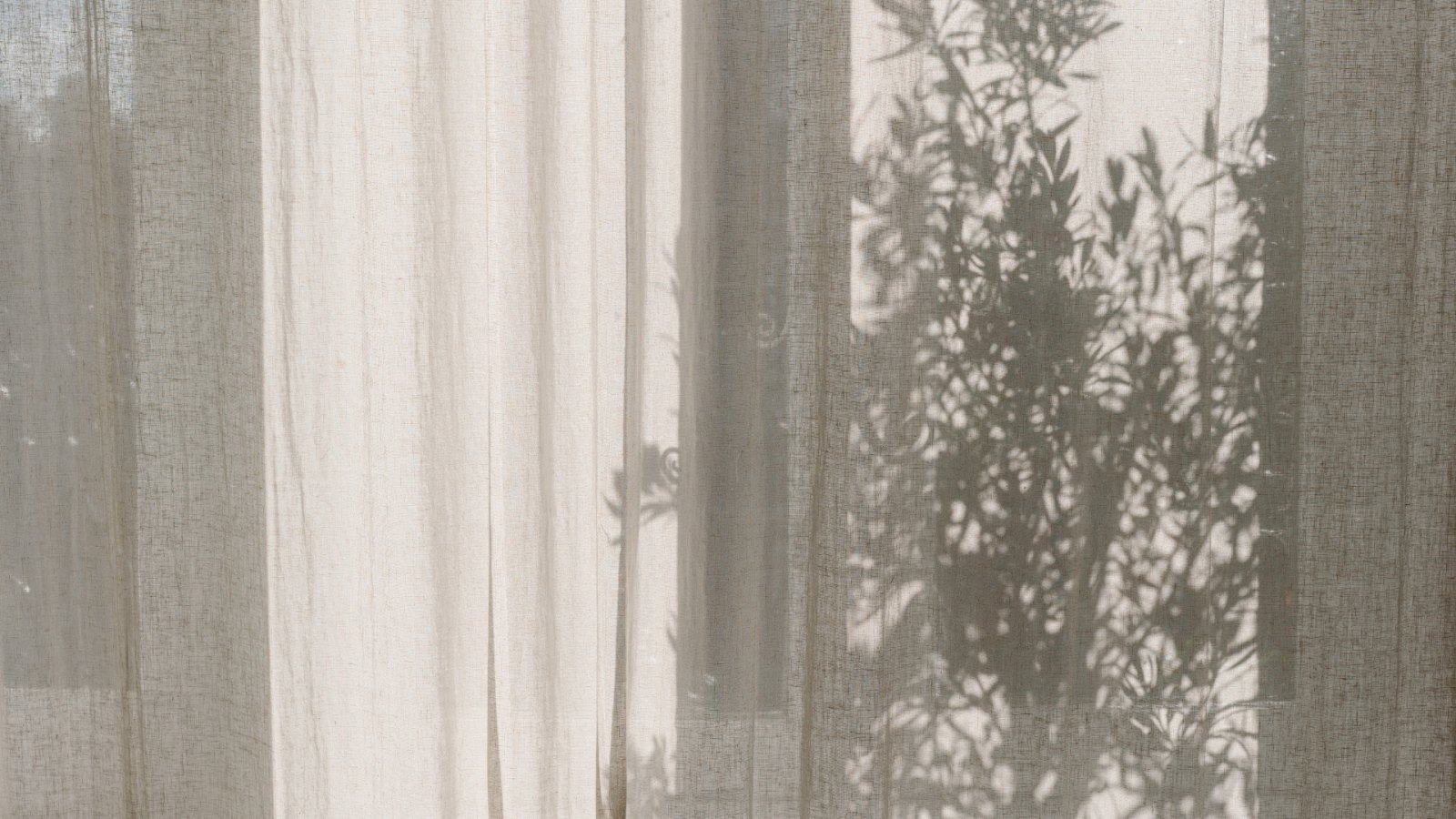
How Linen Curtains Shape Light and Everyday Living
Light shifts slowly across a room over the course of a day. It stretches, settles and changes tone without much notice. The material at the window plays a steady role in how that progression feels. Linen curtains shape the movement in a way that keeps the space consistent without feeling static.
The surface carries a textured weave that stays visible in changing light. It falls into place with a relaxed drape, and the fabric lets brightness move through in a way that creates soft variation across walls and floors.
Linen Curtains and Natural Texture
Texture influences how a room comes together. Smooth surfaces can leave everything feeling a little too uniform, especially in spaces with a lot of light. Linen introduces variation that breaks that uniformity.
Up close, the weave stands out. From farther away, it still reads as texture. Light catches across the surface in uneven patches, which gives walls and windows more dimension. That detail stays present without pulling attention away from everything else. The fabric carries those changes without needing adjustment.
Breathability and Everyday Comfort
Light control shapes how a space gets used, and material choice affects how a space feels over time. Linen’s structure supports airflow, which changes the atmosphere in rooms that receive steady sunlight. Air also moves through the fabric with ease. That helps maintain a lighter, more comfortable environment throughout the day. Visually, the window keeps a sense of openness while still carrying coverage. That balance stays consistent without needing constant adjustment.
Styling Linen Curtains Across Rooms
Linen works across a range of spaces without needing much direction. It fits into simple layouts and more layered interiors. In a living room, it can frame the window and support the overall layout. In a dining space, it may add texture that connects different elements. Layering adds flexibility. Linen can stand on its own for a lighter feel or sit alongside heavier panels for more coverage. That range makes it easy to adjust over time.
The position of a curtain often follows whatever the room calls for at the time. A bit of coverage can help keep light from concentrating in one area, while leaving the fabric open allows it to move freely with airflow. In practice, that might look like keeping a window partially covered through the afternoon or leaving it open in the morning. Those choices tend to hold without much adjustment.
Why Linen Curtains Stay in Rotation
Some materials continue to show up because they adapt easily. Linen holds its place across different styles and layouts. The texture adds depth, and light moves through it in a steady way that supports the room’s overall feel.
According to the US Naval Astronomical Applications Department, “The changing position of the Sun in the sky over the course of a day is mainly an effect of the Earth’s rotation on its axis, which is quite uniform to a small fraction of a second.” Given how quickly the sun’s positioning can change, many people seek out fabrics like linen to make their curtains adaptable throughout the day.
FAQ
Are linen curtains good for privacy?
They create a balanced level of coverage that softens visibility without closing the room in. The final effect depends on the weight of the material.
Do linen curtains block sunlight completely?
They allow light through while easing its intensity. The result feels steady and comfortable throughout the day.
Are linen curtains easy to maintain?
They’re low-effort. The texture works with small imperfections, so they continue to look settled even with regular use.