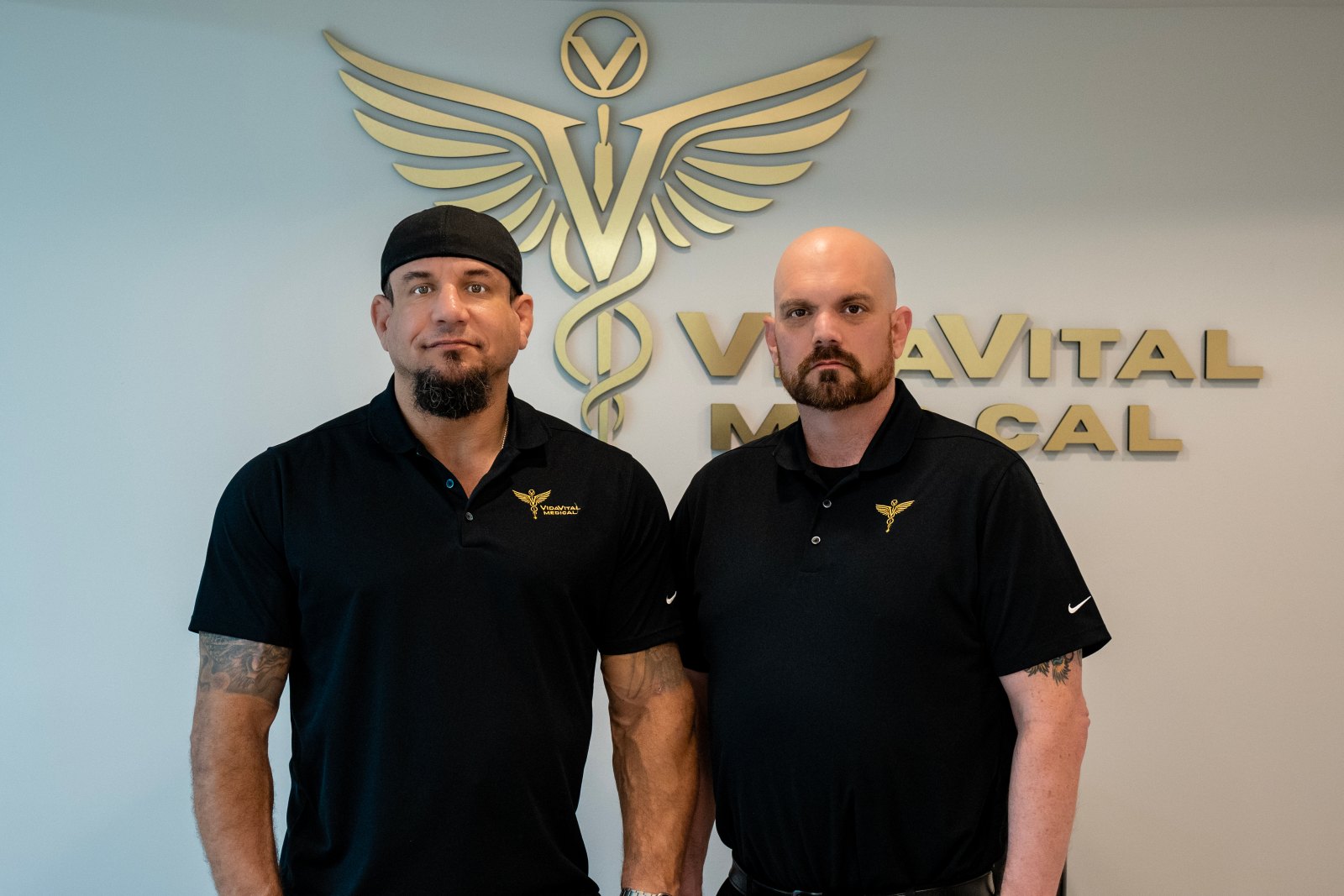
Justin Pulliam’s Mission to Normalize Conversations Around Men’s Sexual Health
Men’s health encompasses many different aspects, such as physical, mental, and emotional well-being. Despite the breadth of this topic, men often face challenges when it comes to addressing their health concerns. Globally, men have a shorter life expectancy than women, with factors like heart disease, diabetes, mental health issues, and cancer being leading contributors.
Lifestyle choices, occupational hazards, and societal issues often prevent men from seeking preventative care or addressing health issues early. The reluctance to prioritize health often comes from stigma, misinformation, and a culture that frequently equates vulnerability with weakness.
Mental health is a particularly critical and often neglected area of men’s health. According to the World Health Organization, men are significantly less likely than women to seek help for mental health conditions, even though they are more likely to die by suicide. This disparity comes from the way society can discourage men from expressing emotions or admitting when they need help. The consequences of these stigmas are extensive, and they affect both individuals as well as relationships, families, and communities.
Physical health concerns, such as heart disease and obesity, are also pervasive among men. The Centers for Disease Control and Prevention (CDC) reports that nearly 74 percent of men in the United States are overweight or obese, contributing to a host of chronic health issues. Beyond physical risks, these conditions can also affect one’s mental health, self-esteem, and general quality of life. To tackle these challenges, people must utilize an approach that includes everything from preventative care and education to holistic lifestyle modifications.
In the face of these challenges, there has been a growing movement to normalize open conversations about men’s health. Advocates and healthcare professionals are increasingly working to break down the barriers that prevent men from seeking help. This requires a focus on education and awareness, and a movement toward viewing health as an essential aspect of strength rather than a sign of weakness. By challenging traditional notions of masculinity, these efforts can create a more supportive environment for men to prioritize their well-being.
One of the most impactful approaches to advancing men’s health comes from individuals whose personal journeys inspire their professional missions. One such advocate is Justin Pulliam, the founder of VidaVital Medical. With over 25 years of experience, Pulliam has devoted his career to addressing gaps in sexual health care, particularly in underserved areas. His clinics provide cutting-edge treatments while offering a supportive environment where patients feel empowered to take charge of their health.
Pulliam’s journey is a very personal one for him. Having once weighed 420 pounds, he understands firsthand the challenges of overcoming health obstacles. His own journey toward wellness has shaped his empathetic and relatable approach to patient care. “I used to be 420 pounds. Now, I’m not in the greatest shape in the world, but I’m a lot better than I was at 420 pounds,” he explains. “I’ve kept my weight off for three years, and it’s really a psychological mindset. It’s not a matter of you can’t; it’s a choice people make to get healthier.”
For Pulliam, men’s health is not simply a medical issue—it’s a societal one that is deeply tied to mental health, self-esteem, and relationships. “I’m not looking for miracles. My goal is just to help people understand what men’s health should be and what it isn’t,” Pulliam states. His approach focuses on empowering patients with knowledge, which then enables them to make informed decisions about their health. Through VidaVital Medical, Pulliam has created a space where men and women alike can address their health concerns without judgment.
VidaVital Medical takes a holistic approach to care by offering innovative treatments like bioidentical hormone therapy, peptide therapy, and intracavernosal injections for erectile dysfunction. Pulliam and his team create an environment where patients feel seen and supported, addressing their concerns with empathy and understanding. “I’m not looking for miracles,” Pulliam states. “I just want to get awareness out there and help people in a way that truly matters.”
Pulliam’s efforts are part of a larger movement to challenge traditional notions of masculinity and redefine what it means to be strong. By creating spaces where men can openly discuss their health without fear of judgment, advocates like Pulliam are helping to shift the narrative around men’s health.
In addition to his work with VidaVital Medical, Pulliam is a vocal advocate for preventative care. He encourages patients to prioritize diet, weight management, and lifestyle changes to maintain overall health and prevent chronic conditions. His own transformation serves as a testament to the power of commitment and mindset in achieving lasting change.
Life & Style partners with external contributors. All contributor content is reviewed by the Life & Style editorial staff.