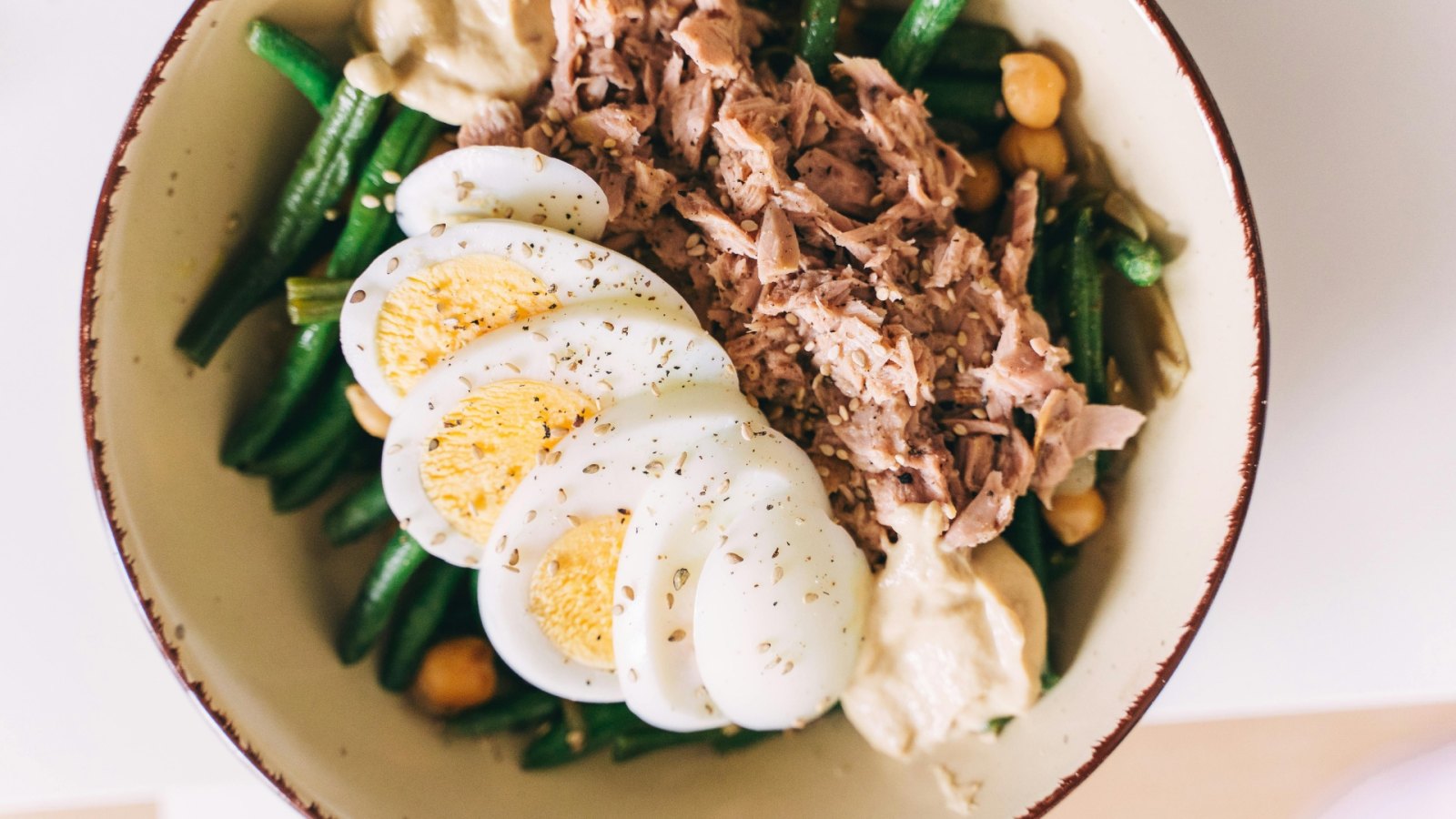
Protein Fatigue Is Growing — Here’s What Nutritionists Are Recommending Instead
The health and fitness world has been going through a protein obsession for several years now. Within the past decade, food companies have dramatically expanded the selection of high-protein products available for consumers. This kind of spike in production and selection often accompanies food fad behavior. When interest in a certain kind of diet or health food spikes, so do the available options.
At first, protein seemed immune to this accusation. Unlike other fads, the macronutrient is a critical part of a healthy lifestyle. No one is arguing that. However, the real issue with protein isn’t the nutrient itself. It’s the obsession around it. When everything becomes about getting as much protein as possible, it can shift the focus away from overall dietary balance — and some emerging research suggests that may come with unintended consequences.
As a result of so many years of protein dominating the wellness conversation, protein fatigue has set in. People are tired of making everything about one macronutrient at the expense of the other two. As an alternative, nutritionists are using the protein backlash to press into a different message, one that has been around for decades: a well-balanced diet.
The Emerging Risks of Excessive Protein
In the past, dieticians and nutritionists didn’t position the over-consumption of protein as a negative. Too much protein was often looked at as merely unnecessary, rather than a genuine health concern. However, new research is starting to reveal that there may be more negative side effects to excessive protein than was first thought.
Some of this has to do with the source of the protein consumed. For instance, animal protein has been linked in some studies to a modestly increased risk of cardiovascular-related mortality, potentially due to the presence of saturated fat and cholesterol — both of which can contribute to cardiovascular disease. In contrast, plant-based protein has been associated with a lower risk of premature death due to the presence of healthy phytochemicals, unsaturated fats and fiber.
The amount of protein consumed is also important to consider. In a world where many protein enthusiasts don’t see the need for a daily limit for the macronutrient, some studies are calling for more research in this area. One found a connection between chronic high protein levels and higher cardiometabolic risk. Specifically, potential risks were found when protein topped 22% of an adult’s daily caloric intake. While the side effects are unclear, it was found that, at least, after the 22% threshold, the additional dietary benefits appeared to taper off while certain risk markers increased.
Going From a “Hero” Nutrient Back to Team Macro
The protein craze has led to the consumption of an average of 2.9 ounces of protein per day. That is around 20% more than the recommended amount.
In response to this growing trend toward high protein consumption, dieticians are starting to encourage people to seek balance. Researchers are looking less for hero ingredients and more for a “goldilocks” approach — one that is “just right” based on all the nutrition involved. Protein remains a dietary cornerstone, but the research points toward a course correction back to a diet that includes a balance of all three macros: proteins, carbs and fats.
There are important clarifications around a “well-balanced” diet, too. For instance, nutritionists tend to favor “healthy fats,” such as unsaturated fats sourced from plants or fish. This kind of fat helps support, among other things, heart, hormone and brain health.
Complex carbs are also worth prioritizing. These are carbohydrates that come from whole or, at least, minimally processed food. Plants are once again ideal here. When carbs are more complex, they digest more slowly and provide steadier sources of energy and fiber.
Pattern-based eating is also a key factor. Random or inconsistent eating can lead to imbalance and unwise food choices. Patterns lock people into healthy habits that are easier to stick to over time.
How Innovative Food Subscriptions Are Helping People Eat Balanced
While health professionals are leading the charge in pushing for more balanced diets, food subscription services are also learning to avoid steering too hard in a specific direction. One example is Hungryroot.
Rather than set members up for specific diets, Hungryroot has built its service around a wide variety of health options. It offers recipes and resources for high-protein meals as well as high-fiber, low-carb ones. Users can tailor their options to a Mediterranean diet, gluten-free options and dozens of other nutrition filters. Each option has detailed macro and micronutrient information, too. The service even has a food quiz that can help people understand how they eat and what meals match their needs best.
Diverse food services like these can support more informed eating decisions. They offer transparent nutritional information that makes it easier for users to find meals that are not just convenient, which is the traditional use of this kind of service. They are also well-rounded, nutritionally speaking.
Finding Balance With the Protein Craze
Protein isn’t a villain. It’s an important macronutrient that helps with building and repairing tissue, supporting enzymes and hormones and helping provide energy and immunity. But protein isn’t the only nutrient that matters. It is important to get in the right quantities, and research suggests that many people, on average, are already meeting or exceeding their recommended protein intake.
Rather than obsess over protein, it’s important to treat it as part of a well-balanced diet, one that includes healthy fats and complex carbs as part of a nutritious daily diet.