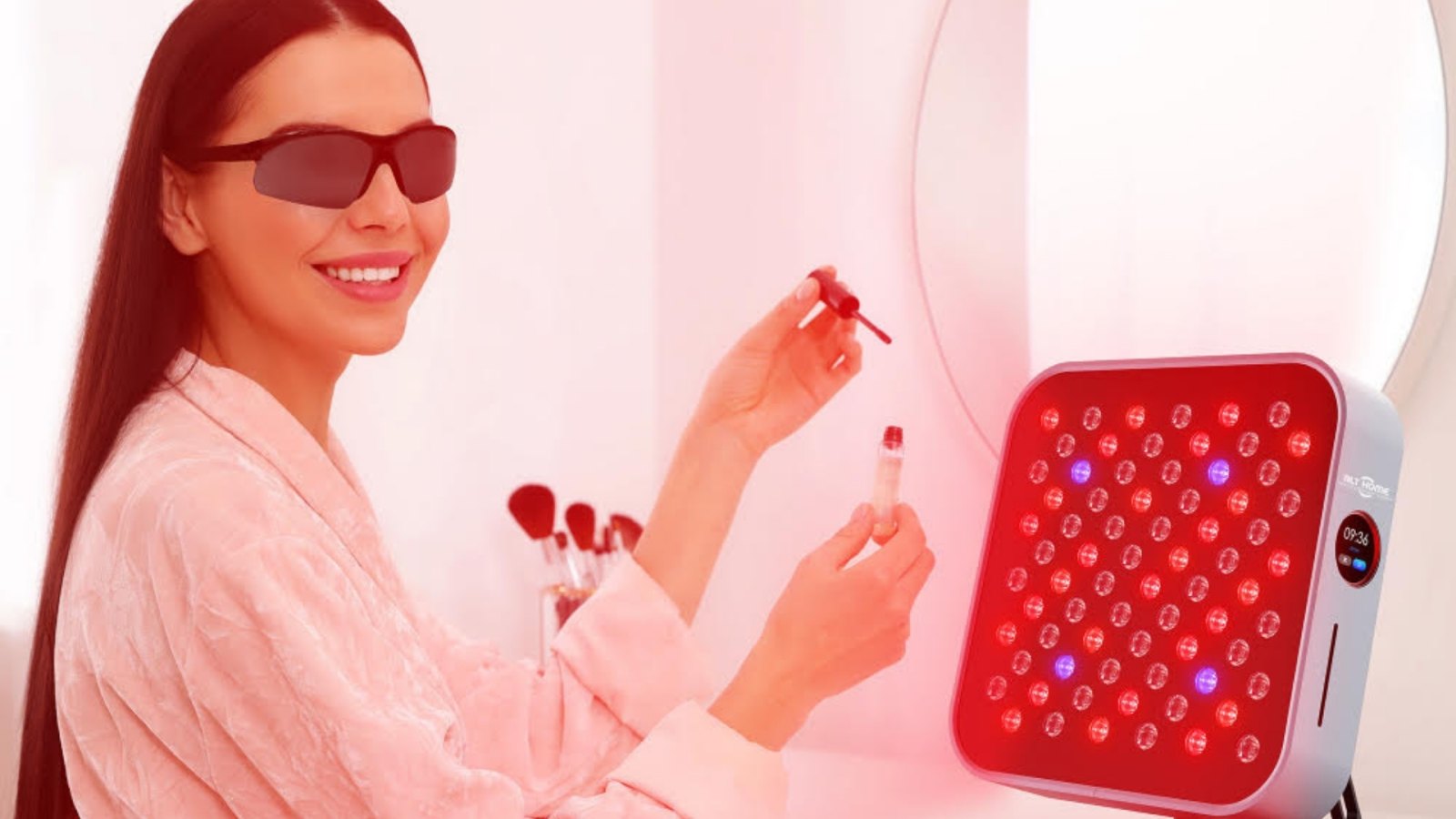
How Red Light Therapy Moved From Backstage to the Home
Backstage before an award show is controlled chaos. Hair, wardrobe and a ticking clock all compete for attention, and everyone moves fast. In recent years, LED devices have also appeared in media coverage of some pre-event beauty routines.
How Red Light Entered the Backstage Routine
Coverage surrounding the 2024 Oscars brought additional attention to red light therapy. Women’s Wear Daily (WWD) reported that beauty professionals working with several nominees used LED light as part of last-minute skin prep.
The Jump From the Oscars to Homes
Public interest in red light therapy climbed sharply online around the 2024 Oscars. Researchers writing in the Journal of Medical Internet Research (JMIR) tracked search volume. They reported that the Google Trends index score jumped from 27.8 to 60.5, representing a 118% increase in red light therapy-related searches. Meanwhile, TikTok posts using #RedLEDlighttherapy accumulated more than 70 million views.
Since then, beauty brands have introduced smaller, lower-priced at-home red light therapy for skin devices. These products bring the routine into a domestic setting, although the technology and specifications can differ from those of equipment used by professionals. The expanding selection has brought a technology once associated largely with clinics, salons and backstage preparation into bedrooms and home beauty routines.
What Research Says About Red Light
Red light is generally described as working near the skin surface, while near-infrared wavelengths can penetrate more deeply. The specifications and intended uses of individual devices vary, however, making it difficult to apply research findings broadly across the category.
“We create this energy through that red light, and we can use it therapeutically to do things like grow hair, reduce inflammation or create new collagen in our skin,” says Dr. Zakia Rahman, a clinical professor of dermatology at Stanford School of Medicine. She studies these devices and says it can be challenging for customers to distinguish the marketing buzz from established science.
How the At-Home Market Evolved
At-home products now range from masks and handheld tools to larger panels. Their arrival has also brought greater attention to technical details that were less visible when the technology was mainly encountered in professional settings.
AJ, co-founder of panel brand RLT Home, has observed this shift within the market. According to AJ, the company has introduced more configurable systems in response to buyers asking increasingly specific questions about product specifications. RLT Home is one of several brands selling red light panels for home use.
An FDA Class II classification places a device in a moderate-risk category. It generally requires the manufacturer to show the product is substantially equivalent to one already cleared for sale. However, this classification doesn’t mean the device is proven to treat any specific condition.
From Beauty Trend to At-Home Category
Red light therapy’s appearance in award-show coverage coincided with a broader rise in online attention. Beauty brands have since expanded the selection of devices intended for domestic spaces, moving red light panels beyond backstage and professional environments.
The result is a growing consumer category shaped by celebrity beauty coverage, social media interest, technical specifications and continuing questions about how product marketing compares with the available research.
This article is for informational purposes only and does not substitute for professional medical advice. If you are seeking medical advice, diagnosis or treatment, please consult a medical professional or healthcare provider.