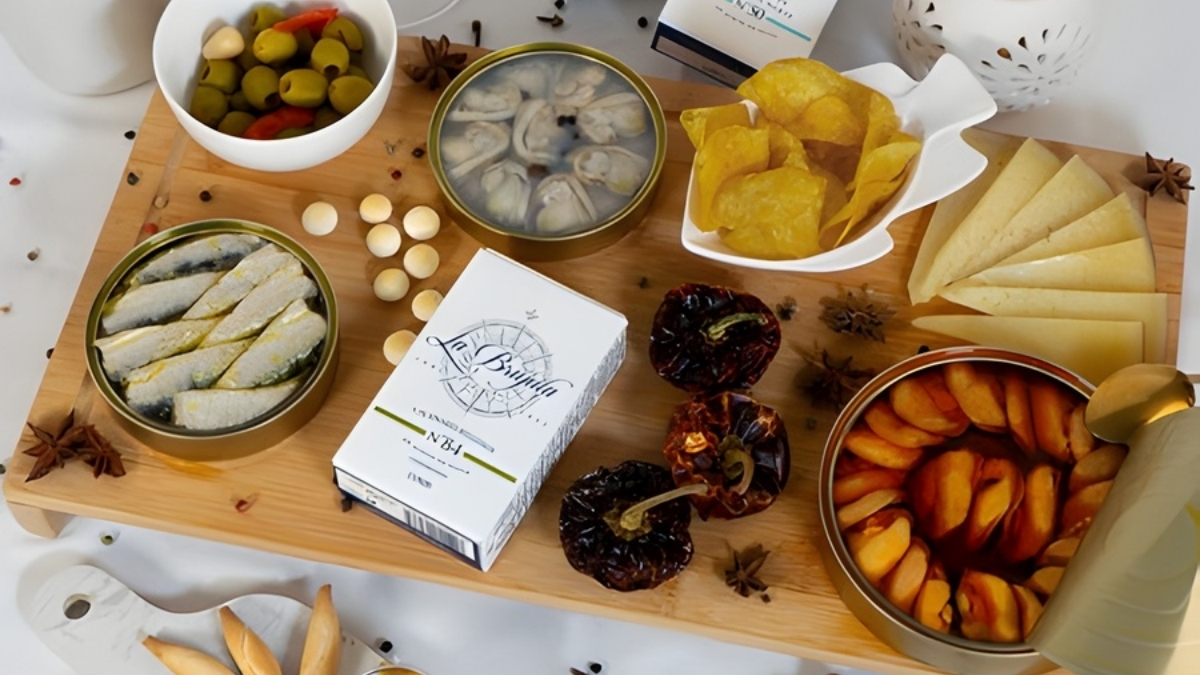
Exploring the Appeal of Traditional Spanish Conservas
One might not think of tinned seafood as a gourmet ingredient, but high-end Spanish conservas are changing perspectives. Historically a pantry staple in Spanish coastal regions, particularly Galicia and Cantabria, this culinary category has grown to be loved by chefs and foodies alike. With the same artisanal quality and sustainable sourcing, many conservas brands are expanding their reach into global markets.
Historic and Culinary Tradition of Conservas
Since the end of the 18th century and the introduction of sophisticated salt preservation techniques, Galicia has been an important source of seafood for Spain. Canning came later, after Napoleon requested portable food for his campaigns and Frenchman Nicolas François Appert introduced food preservation via hermetic, sterile glass jars. Building on this technology, metallic cans emerged from the U.K.
About 30 years after canning was developed, French entrepreneurs began opening factories in Galicia, capitalizing on the region’s expertise. These enterprises produced the first conservas, which have since gone on to become a central part of Spanish aperitivo and tapas culture.
High-Quality, Artisanal Products
Premium conservas brands, such as Conservas La Brújula, hearken back to this culinary history with every product. These market leaders prioritize traditional hand-packing, minimal processing and peak season catches in an effort to preserve the natural flavor and texture of seafood. For this reason, many of Spain’s conservas products are ranked among the “World’s 101 Best Canned Products from the Sea.”
“Each can includes meticulously selected fish and shellfish, such as sardines, mackerel, tuna and razor clams, which are hand-packed to preserve texture and flavor,” TasteAtlas wrote of Conservas La Brújula.
Sustainability and Local Sourcing
As the prominence of seafood products from regions like Galicia continues to rise, artisanal companies emphasize the importance of sustainable fishing practices. Local supply chains prioritize freshness alongside environmental responsibility, in order to ensure consistent access to the premium brands that food lovers across Spain and chefs around the world depend on for their dishes.
Culinary Applications and Emerging Trends
In today’s culinary environment, premium Spanish conservas are expanding beyond the traditional pantry. Now, these quality goods are being employed in fine dining, creative tapas and innovative cuisine. Chefs especially value these products for their emphasis on convenience that does not compromise on flavor. When food lovers look for a taste of the wider world, Spanish conservas transport them to the coast of Galicia.
A Ready-to-Eat Delicacy
Chefs and foodies around the world have found a love for Spanish conservas, which they share with the people of Spain. As these professionals and food lovers introduce demand for these high-quality goods, global audiences are similarly gaining a taste for these ready-to-eat delicacies. Today, Spanish conservas demonstrate that canned seafood can be more than an ingredient, but an experience.
FAQs
Q: What are Spanish conservas?
A: Conservas are traditionally preserved seafood products, such as sardines, tuna and shellfish. They are cooked, seasoned and sealed in tins to preserve flavor and freshness. This tradition has become a notable part of Spanish cuisine and custom.
Q: What makes premium Spanish canned seafood different?
A: High-quality conservas emphasize artisanal methods, peak-season seafood, hand-packing and minimal processing. Each of these factors serves to elevate these products above mass-market canned options.
Q: How are conservas used in cooking?
A: Conservas are versatile, whether enjoyed straight from the jar or in tapas, paired with bread or wine or incorporated into modern dishes.
Q: Where do Spanish conservas come from?
A: Conservas can be made anywhere along the coastal regions of Spain, but many premium options originate from areas like Galicia and Cantabria. These regions are known for rich marine ecosystems and centuries of expertise.