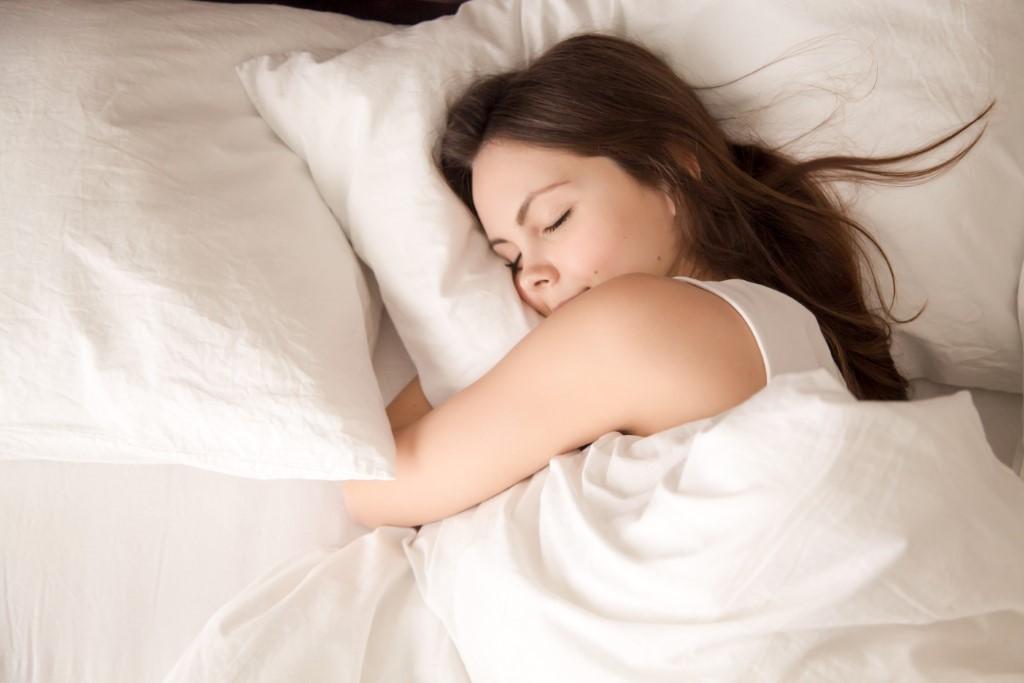
Why Everyone on TikTok Is Suddenly Obsessed With Sleep
TikTok has a lot of engaging content tackling various topics. Some of which are all about sleep. You may have come across videos of people doing bedtime routines and showing off their cozy bedrooms. Some even share a list of sleep hacks you’ve never heard of.
It might be odd to see videos of users preparing to go to bed amid dance challenges and lip syncs on your “for you” page. But there’s a good reason behind the fixation on eye masks and lavender sprays.
Read on to learn why people on TikTok are suddenly, and rightfully, obsessed with sleep.
A Digital Generation That’s Literally Tired
Daytime fatigue and sleep disorders seem to be the norm for the younger generation. In fact, 46% of Gen Z and 25% of millennials find it difficult to fall asleep. Work instability, health scares, and overstimulation are some of the key contributors to this phenomenon. (1)
To address these issues, people are discussing them more, using TikTok as the medium for that conversation. The app contains short and digestible content that makes it easy to help others understand these concerns and the importance of sleep health.
That’s why you’ll find multiple videos of users sharing sleep routines, bedroom setups, and tools to improve sleep quality. A content creator might suggest that you see the Ecosa bed frame range, for instance, to update your old bed to a new, higher-quality one. Many viewers love getting recommendations to boost their lifestyle, especially sleep. A good bed could help reduce the tiredness that younger people feel nowadays.
The Quiet and Creative Rebellion Against Hustle
Previous generations encouraged the hustle culture as a means to success. You had to be productive every hour of every day. But what that led to was chronic physical, mental, and emotional exhaustion.
So, millennials and Gen Z are fighting back. They’re now obsessed with sleep, using it to quietly rebel against toxic productivity. TikTok users, in particular, are calling out the glorification of burnouts. They’re replacing the concept of overworking, which was once glamorized, with sleep as the latest luxury.
This movement, led by sleep content creators, has framed rest as resistance, not laziness. Hence, you could find yourself leaning into the idea and applying their advice to change your sleep habits. For example, you might choose a king bed frame to replace your unsupportive bed and consider designs with calming colors to help you relax more.
The Rise of Sleepmaxxing
The advent of sleep culture gave rise to sleepmaxxing, a trendy strategy to curate a more effective sleep hygiene routine. It’s a sleep optimization method, with the ideal result being longer, better sleep.
Sleep efficiency techniques include dimming the lights earlier, drinking non-caffeinated drinks, or eating foods that support sleep. Others involve consciousness journaling, consuming magnesium supplements, and wearing sleep tracking devices. Several videos also discuss reducing blue light from phones, taking melatonin supplements, and playing white noise for continuous sleep until morning.
Sleepmaxxing might sound extreme, but for many TikTok users obsessed with sleep, .it’s a way to focus on getting the best rest possible.
Sleep Hacks, Pseudoscience, and the Algorithm
There are always negative sides to good things, and TikTok’s obsession with sleep is far from perfect. As with anything you consume on social media, not all hacks are logically sound, especially with the rise of misinformation and AI.
In fact, 48% of social media posts, in particular, are believed to be AI-generated or contain misleading content. Another glaring issue is that apps like TikTok use an algorithm to push what videos perform best, not necessarily what’s helpful. (2)
It’s tough to discern which ideas are based on fact and which are entirely bogus. On one hand, you could watch a licensed professional suggest science-backed sleep aids. On the other hand, you may encounter someone convincing viewers that mouth tape improves nasal breathing during sleep.
You don’t have to worry as long as you do your research and don’t immediately believe claims. Some information might be pseudoscience, but much is still factual and backed by studies. Other, more knowledgeable TikTokers may even debunk certain claims.
Still, the blurry line between science and performance hasn’t stopped viewers from watching and listening. Because, whether it works or not, the trend still points to people desiring better rest and sleep schedules.
The Real Benefits of Better Sleep
The real reason why TikTok is obsessed with sleep is the legitimate benefits of better sleep. Improved sleeping patterns often lead to positive changes in mood, memory, immune system, and skin quality. Getting enough consistent rest may also reduce the risk of chronic illness.
For all its quirks, sleepmaxxing is pretty much biohacking for those who want to feel human again. It only requires intention and discipline. While some trends lean too close to excessiveness, many are nudging people toward healthier habits they’d otherwise ignore.
The smart way to follow the sleep obsession trend is to take advice you can apply immediately after you’ve confirmed its validity. And it’s essential to sleep just enough, around seven to eight hours. Research reveals that people had more calcium buildup in their heart arteries if they regularly slept longer. So, set an alarm or sleep tracker to prevent oversleeping and identify your typical sleep duration. (3)
Final Thoughts
Everyone on TikTok is obsessed with sleep, which might feel too much for comfort. But the more you look into it, you’ll realize that there may be a point in the madness. Many people genuinely lack proper sleep in a culture that values productivity and results. To counter that, they focus on homemade hacks and science-backed tricks for undisturbed snoozing.
If your sleep cycles are going off kilter, watching a few videos from content creators won’t hurt. But remember, some may sound unbelievable, so verify the sources. Ultimately, people just want a peaceful night’s sleep in a harsh world.
This article is for informational purposes only and does not substitute for professional medical advice. If you are seeking medical advice, diagnosis or treatment, please consult a medical professional or healthcare provider.
References
- “Falling asleep is harder for Gen Z than millennials, but staying asleep is hard for both: study,” Source: https://www.usatoday.com/story/news/nation/2023/11/06/millennials-gen-z-struggle-stay-asleep-different-reasons/71444724007/
- “Majority of Americans trust what’s online less than ever before: poll,” Source: https://nypost.com/2025/04/26/lifestyle/majority-of-americans-trust-whats-online-less-than-ever-before/
- “Surprising Reasons to Get More Sleep,” Source: https://www.webmd.com/sleep-disorders/benefits-sleep-more
Life & Style partners with external contributors. All contributor content is reviewed by the Life & Style editorial staff.