
More Women Are Looking Toward Turkey for Answers for Female Hair Loss
Hair loss doesn’t tap politely on the shoulder. It sneaks in slowly, usually at the worst possible moment, and often catches women off guard. A widening part here, a patch of thinning there and suddenly mirrors start feeling less friendly. It’s a shared experience far more common than most people admit out loud, yet it’s still treated like a secret women are supposed to swallow quietly.
That silence is standing to crack. More women are researching long-term options, asking better questions and looking for medical guidance that treats their concerns as legitimate. That shift is one reason the phrase female hair transplant Turkey keeps showing up on search bars, forums and late-night group chats where honesty finally spills out.
Amid that growing conversation sits Esteworld in Istanbul, a clinic known for tailoring hair restoration to the specific patterns women face. Its approach is shaped largely by the work of Dr. Burak Tuncer, whose name often appears when women trade recommendations about natural-looking surgical options.
When Hair Loss Doesn’t Follow the ‘Male Playbook’
Female hair thinning doesn’t always follow neat patterns. Sometimes it stretches across the crown, other times it clusters around the temples and it often shows up after childbirth, illness or years of stress that finally settle into the scalp.
Because these patterns differ from men’s, women often need a different kind of evaluation. Many discover this only after being brushed off or handed generic advice that doesn’t match what they’re actually dealing with.
Esteworld’s team treats hair loss as a complex puzzle rather than a single diagnosis. Dr. Tuncer examines density, donor strength, growth direction and how the hairline interacts with facial structure. He tends to approach female cases slowly and deliberately, with the understanding that one small shift in placement may affect the overall look later.
What Brings Women to Clinics Like Esteworld
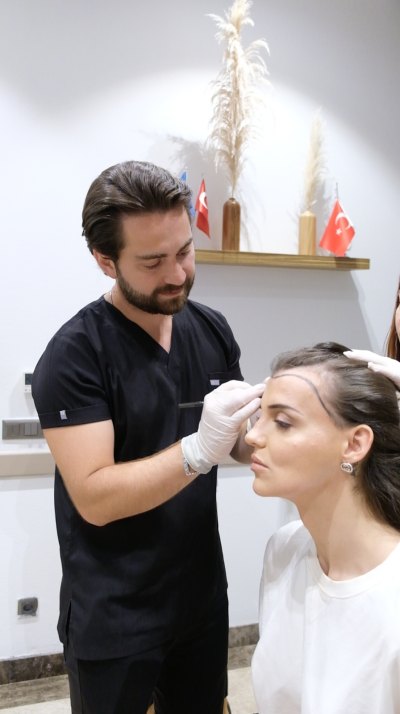
Every patient arrives with a story. Some come after years of wearing their hair the exact same way to hide thinning. Others feel frustrated after trying every shampoo and supplement that promised volume in a bottle. A few come after medical treatments that left visible patches they didn’t expect.
When they finally reach out for professional advice, they’re looking for clarity more than anything else. They want someone who can walk them through what might be possible, what might not and which steps could help them regain something they lost along the way.
Turkey has gained attention because its clinics often blend medical detail with a slower, more patient-centered style. Esteworld is one of the names that surfaces often in these conversations because international patients mention feeling guided, not rushed.
The clinic offers one-on-one consultations, donor area mapping and treatment plans that reflect the fact that women’s patterns rarely fall into predictable categories. For many patients, being taken seriously is all they ask.
Inside Dr. Burak Tuncer’s Approach
Dr. Tuncer’s work is at the intersection of surgical technique and aesthetic judgment. His background in aesthetic medicine shapes how he evaluates hairlines, symmetry and the way restored strands may frame the face. He works with FUE, DHI and long-hair transplant methods, selecting whichever option fits the patient’s goals and donor availability.
Rather than discussing outcomes as certainties, Dr. Tuncer focuses on explaining how the procedure could help, how the grafts might grow and what to expect during the healing period. He talks openly about variables that differ from person to person, reminding patients that results always depend on factors like hair texture, follicle health and aftercare choices.
Comfort Matters More Than People Admit
Hair transplants come with the medical checklist everyone expects, but the emotional part tends to hit first: The worry about how long things have been changing and the hope that maybe, finally, something could help. Esteworld tries to make the whole process feel less like walking into a hospital and more like strolling into a place where someone sees what you’re carrying.
Private consultation rooms give people space to breathe before they talk. There are no fluorescent-lit halls, no waiting room whispers, just a door that closes and a conversation that can happen without someone tensing up. Women who fly in from other countries meet coordinators who speak their language, which may take the edge off that “I’m far from home and doing something big” feeling. And since these procedures can stretch across hours, the surgery suites are set up for people to settle in rather than count down the clock.
None of these things guarantees how someone’s hair may grow or respond afterward. What they can do is steady the ground beneath someone who already feels wobbly, confused, hopeful, frustrated or all of the above at once. Sometimes the environment matters simply because it gives you a minute to unclench your hands.
Why Women From Around the World Travel to Istanbul
There’s no one reason women choose Turkey for hair restoration. Some travel because they’ve seen the country’s strong medical reputation online. Others go because the logistics are surprisingly straightforward, with clinics offering help arranging transportation and lodging.
A few simply want privacy during recovery and like the idea of healing in a new environment. Esteworld sees visitors from many countries, which has shaped the clinic into an international hub. The team builds follow-up plans for after patients return home, so they aren’t left guessing about what to expect in the months that follow.
Medical travel always requires caution and research, but for many women, the chance to combine treatment with a supportive care system makes the decisions feel more manageable.
The Bigger Story: Women Finally Getting Answers
The rise in female hair transplant interest reflects something larger than travel trends. It indicates women refusing to downplay concerns that affect their confidence, identity and emotional comfort. It also points to better medical options and wider recognition that thinning hair isn’t a failing but a common biological experience.
Clinics like Esteworld and surgeons like Dr. Tuncer are part of that movement because they treat female cases as legitimate medical aesthetic challenges rather than afterthoughts. Hair loss won’t stop being emotional, but with more specialized care available, women may feel less alone while figuring out what comes next.