Pexels
From Chronic Acne to Superskin: Katie Stewart Shares 8 Steps

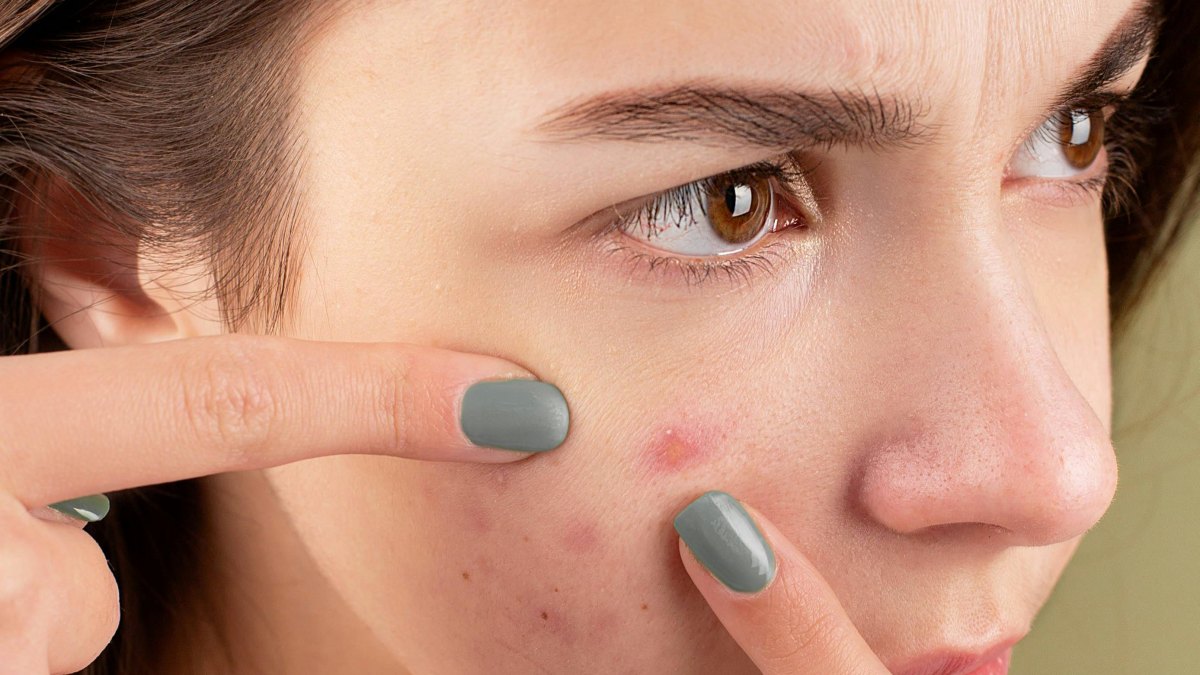
Chronic acne can have a debilitating effect on how others perceive you–and sometimes on how you perceive yourself. Rather than just treating acne with topical creams and cosmetic solutions, consider ways to address the underlying, root causes of acne. After all, acne is a symptom. Katie Stewart’s podcast, The Clear Skin Chronicles, which has helped over 3,000 women in 15 countries beat chronic acne, shares eight helpful concepts in beating chronic acne and reclaiming your self-confidence, achieving what Stewart calls “superskin.”
- Improve Your Gut Health
Just as beauty is more than skin deep, the root causes of acne lie below, too. “Your skin is a reflection of your overall health,” Stewart says. The first prerequisite for glowing skin is a healthy gut biome. A gastrointestinal imbalance caused by bacterial overgrowth, insufficient stomach acid, or other issues can easily lead to regular outbreaks of acne. For a healthier and stronger gut biome, consider adjusting your diet to include more foods rich in fiber, decrease your intake of processed sugars, and add clinically proven probiotic supplements.
- Detox
Besides your gut, your liver is the next place to look. The liver’s role is to strain toxins out of your bloodstream, but it can only do so much; an unhealthy diet or too much alcohol, as well as certain medical conditions, can overload the liver. When your liver can no longer handle the toxins, this can cause breakouts. You can strengthen your liver and increase its capacity with foods like cruciferous vegetables (broccoli, cabbage, cauliflower, and brussels sprouts), beets, and lemons, as well as by choosing lean proteins (such as fish and poultry) over red meat.
- Pursue a Healthy Hormonal Balance
Acne can also be produced by imbalances of certain hormones, particularly cortisol and insulin. Diet helps here as well (make sure that you are eating balanced quantities of lean proteins, fiber, and healthy fats), but you also can affect these hormones positively by minimizing or relieving stress, maintaining a healthy sleep regimen, and making sure not to skip meals. These actions may help reduce the fluctuation in your cortisol and insulin levels. Stewart also suggests that taking care not to dampen sex hormones such as estrogen and progesterone may also lead to clearer skin.
- Choose Anti-inflammatory Foods
One more on diet: If you enrich your diet with anti-inflammatory foods (such as berries, turmeric, and cold-water fatty fish), this can also help you reduce acne. Eating too much refined sugar can lead to chronic inflammation, as can dairy and gluten if you have lactose intolerance or a gluten sensitivity.
- Stay Hydrated
The popular wisdom has been that oily skin contributes to acne outbreak, but dry skin can have a negative impact on your skin elasticity. Appropriate hydration can help your body flush out toxins and improve your skin’s softness and resiliency. Stewart’s tip is to drink approximately half of your body weight in ounces of water. You can also consider adding water-rich foods (such as oranges, cucumbers, and watermelons) to your diet.
- Improve Your Emotional Well-being
Emotional health and physical health both affect each other, so it is important to battle acne-causing stress not only with diet but also with emotional regulation. Adopt mindfulness and meditation practices to help increase your emotional awareness and improve your calm. Therapy can also help you identify underlying challenges to your emotional health and can help you learn tactics for improving your psychological equilibrium.
- Start a Clean Skincare Routine
Stewart adds that your skincare routine needs to be healthy, too. Avoid products containing harsh chemicals and seek out skin-nourishing formulas that protect the skin barrier. Look for ingredients like hyaluronic acid and ceramides, which can help reduce inflammation and rehydrate your skin.
- Consider Functional Medicine Testing
If your acne is particularly stubborn and your move toward a healthier lifestyle is doing little to clear it up, you might consider functional medicine testing, which evaluates your biochemistry, checking for hormonal imbalance, nutritional deficiencies, and gut health. This can help you target more specifically what to improve. Stewart’s own program, The Clear Skin Solution, uses functional medical tests to provide recommendations that are personalized to your body and its needs. You can learn more about Stewart’s program and her podcast on her website.
Medical disclaimer: This article is for informational purposes only and does not substitute for professional medical advice. If you are seeking medical advice, diagnosis or treatment, please consult a medical professional or healthcare provider.
Life & Style partners with external contributors. All contributor content is reviewed by the Life & Style editorial staff.