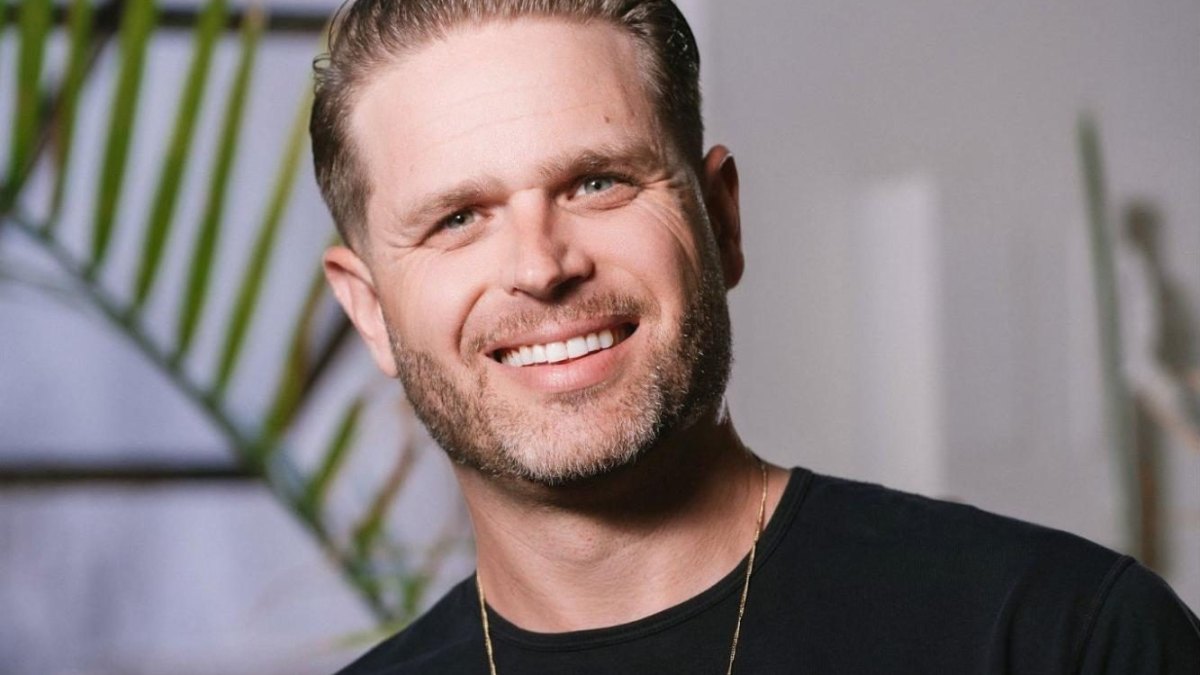
Rewired for Joy: 4-Step Mindset Makeover with Brent J. Freeman

In a world that often equates happiness with external achievements, Brent Freeman offers a transformative perspective: the key to lasting joy lies in people’s ability to retrain their brains as adults. Drawing on neuroscience, mindfulness, and high-performance coaching, Freeman empowers individuals to cultivate intentional joy as a daily practice.
Freeman teaches that joy is not a fleeting emotion people randomly feel, but rather an emotional skill that they can intentionally develop.
The Science of Joy: Reclaiming the Innate Capacity for Happiness
Children experience joy with remarkable ease—not just because life feels simpler, but because their brains are literally wired differently. In early childhood, the dominant brainwaves are delta, theta and alpha—slow, dreamy frequencies associated with deep creativity, imagination, and presence. These states make kids naturally more connected to wonder, play, and joy. As people grow, their brainwave patterns shift. By age 12, faster beta waves become more dominant, especially high beta, associated with stress, overthinking, and hypervigilance. This transition, coupled with societal conditioning that emphasizes productivity over play, control over curiosity, and performance over presence, distances you from the innate capacity for joy. What once came effortlessly now requires intention.
Yet as Freeman explains, joy is not lost—it’s simply buried beneath years of mental conditioning and a brain trained for survival over serenity. The good news? Thanks to the brain’s remarkable adaptability, joy can be reawakened.
Modern neuroscience shows that people are not stuck with the wiring they inherited or developed—they can intentionally reshape it, and that’s exactly what Freeman is helping people do all over the globe. Through practices like meditation, brainwave entrainment, and daily rituals that nourish the nervous system, he teaches methods intended to support mental and physical well-being, encouraging a return to a more balanced and joyful state.
Here’s how:
- Neuroplasticity – The brain is constantly evolving. With consistent, intentional practice, you can create new neural pathways that support joy, connection, and emotional resilience, no matter your age. Freeman teaches a Hebbian Learning practice, which is as simple as reading affirmations before bed and just when you wake up.
- Brainwave Regulation – Practices like meditation, breathwork, and even focused play shift your brain from the high beta “go-go-go” stress state into alpha and theta states, where healing, presence, and creativity naturally emerge. Freeman teaches his students how to regulate their brainwave states so they can experience natural states of joy more often and more deeply.
- Joy Neurochemistry – Small, consistent actions—like practicing gratitude, savoring beauty, or sharing a laugh—trigger the release of dopamine, serotonin, and oxytocin. These are nature’s joy chemicals, and you can learn to generate them on demand. Freeman has a practice he calls the “One Minute Window,” where he pauses for 60 seconds whenever he sees or experiences something that brings him even the smallest of joy to truly take it in, savor the moment, and allow his brain to release all the joy chemicals that come along with it.
- Reticular Activating System (RAS) – The RAS is a network of neurons in the brainstem that acts as a filter for your perception, determining what information reaches your conscious awareness based on what it deems important. It’s constantly scanning your environment, and what it highlights is shaped by your repeated thoughts, beliefs, and emotional focus. If you consistently focus on stress, lack, or negativity, the RAS will prioritize those signals. But when you train it through intentional practices like tuning into joy, looking for beauty, connection, and small moments of delight, it begins to filter the world through a lens of joy. In his work, Freeman guides people in reprogramming their RAS to shift their baseline perception, so that joy becomes not just an occasional feeling, but a daily experience shaped by what their brain is now wired to notice.
In short, joy isn’t something you need to chase. It’s something you train yourself to tune back into.

The Core 4: A Daily Practice for Cultivating Joy
At the heart of Freeman’s method is the “Core 4”—a simple, actionable four-step process designed to help people intentionally rewire their minds, realign their lives, and reignite their joy.
Write Your Self-Eulogy: This foundational practice invites you to zoom out and write your own eulogy from the perspective of someone you love and admire. It’s designed to create a deep, emotional perspective shift by revealing the gap between how you want to be remembered and how you’re currently living. Often challenging—but profoundly clarifying—it helps you reconnect to your values, purpose, and the impact you want to have, shifting your focus from external validation to intentional legacy.
Create a List of Joy: This is an evolving inventory of the people, places, experiences, and sensations that light you up from the inside out. Freeman calls these “neurosnacks”—small, accessible moments that reliably spark joy and activate feel-good brain chemistry. From the warmth of the sun on your face to a walk with your dog, this list becomes a practical tool to reconnect with your intrinsic motivators. It’s about wiring joy into your daily routine, not waiting for it to arrive in big life milestones.
Take a Priority Pillars Inventory: This assessment helps you evaluate your current level of fulfillment across five universal life areas: Love, Health, Family, Career, and Community. Each category includes two sub-pillars that give you a clear, honest view of where you’re feeling full and where you’re running on empty. These insights become your personal roadmap, allowing you to focus your energy where it’s most needed—and most transformative.
Subconscious Priming: This neuroscience-backed technique uses daily affirmations, visualization, and emotional embodiment to retrain your subconscious mind. Practiced every morning and night—when the brain is in its most suggestible theta state—it helps rewire beliefs, anchor elevated emotions, and activate the Reticular Activating System to seek out opportunities aligned with your dreams. It’s not wishful thinking—it’s intentional brain training. Practicing this ritual consistently for 90 days may help individuals feel more aligned with their goals and develop greater clarity around their future vision.
Freeman’s approach is grounded in a deep understanding of how the subconscious mind influences your thoughts, feelings, and behaviors, and how you can harness this power to create lasting change from the inside out. This practice is about intentionally shaping your inner world to create a more joyful and fulfilling outer reality.

Meditation: A Gateway to Joy and Transformation
At the heart of Freeman’s experiences are custom-guided meditations that are designed to quiet the mind, regulate the nervous system, and unlock the brain’s innate capacity for joy. These meditative states activate the brain’s natural neuroplasticity, allowing for emotional release, powerful insights, and the emergence of long-buried dreams and desires.
Freeman’s signature meditations go beyond relaxation—they’re a gateway to transformation. Rooted in neuroscience and layered with vivid, emotionally resonant imagery, they help participants reconnect with their authentic selves, shed limiting beliefs, and feel a renewed sense of hope, peace, and purpose. Some attendees have described this portion of the workshop as grounding and reflective, noting that it often prompts a meaningful personal response—an embodied reminder that joy isn’t something you find, but something you learn to feel again.

The Joy Gym: Training Your Brain for a Joy-Filled Life
In a world designed to pull you into urgency, distraction, and burnout, joy must be intentionally practiced. Freeman teaches that joy isn’t a fleeting emotion—it’s a trainable state of being. Like building physical strength at the gym, cultivating joy requires consistent daily reps to rewire the nervous system, shift brainwave states, and reorient your awareness toward what truly matters.
Here are three foundational practices he recommends for anyone ready to start training their brain for lasting fulfillment:
- Joy Journaling – Your brain is always scanning for what you’ve told it to prioritize. By consciously directing your Reticular Activating System (RAS) to notice joy—even in small, everyday moments—you teach your mind that joy matters. Each day, write down three things that sparked joy: a moment of beauty, a belly laugh, the smell of coffee, the way light hit the trees. The more you acknowledge joy, the more your brain will find it. Over time, this builds a powerful feedback loop where joy becomes your default lens, not because life got easier, but because your perception evolved.
- Meditation for Brainwave Shifting – Even just 5–10 minutes of meditation can shift your brain out of high beta (stress, overthinking, urgency) and into slower alpha and theta states, where creativity, healing, and joy are more naturally accessed. Freeman’s guided meditations use binaural beats and immersive visualization to accelerate this shift. By lowering mental noise and accessing deeper brainwave patterns, you reconnect with your parasympathetic nervous system—the place of safety, stillness, and presence where joy can actually arise.
- Daily Investments in Joy – Freeman emphasizes that joy isn’t something to wait for; it’s something to schedule. The List of Joy is a living document of activities, sensations, and moments that bring you alive—from a walk in nature to dancing in the kitchen. Every day, choose one item from your list and do it intentionally. These acts aren’t frivolous—they’re neurochemical resets. They release dopamine, serotonin, oxytocin, and other feel-good chemicals that condition your body to associate daily life with joy, and their effects are compounding. The more you make these micro-moments non-negotiable, the more your inner state begins to reflect the life you’re truly meant to live.
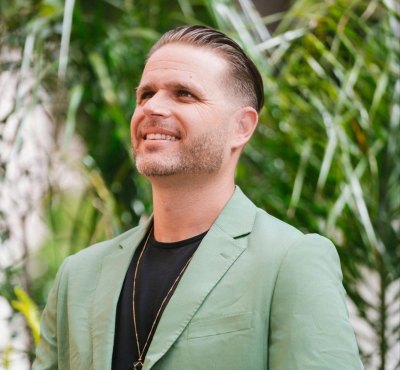
As Freeman puts it, “Joy isn’t a reward you earn after burnout—it’s the fuel that prevents it.” The Joy Gym is how you build that foundation, one meaningful rep at a time.
Brent Freeman’s philosophy, as shared on his Instagram, underscores that joy is not a destination but a continuous journey—a light you carry with you even through life’s challenges. By training your brain and cultivating intentional joy, you can transform your life and experience greater well-being.
This article is for informational purposes only and does not substitute for professional medical advice. If you are seeking medical advice, diagnosis or treatment, please consult a medical professional or healthcare provider.
Life & Style partners with external contributors. All contributor content is reviewed by the Life & Style editorial staff.