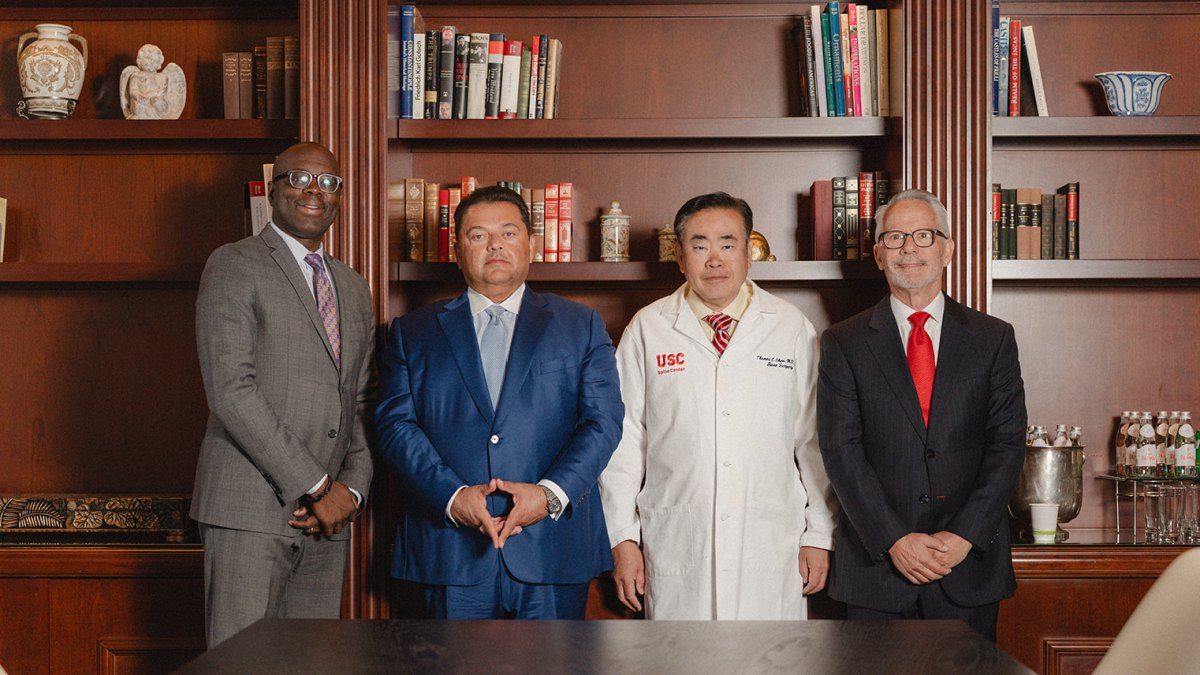
Dr. Thomas Chen
NeOnc’s Nasal Delivery: A Potential Breakthrough in Cancer Care

When it comes to treating cancer, the world has come a long way. However, there’s one particular cancer that even world-renowned physicians struggle to treat: brain cancer. That’s because the blood-brain barrier — a protective barrier meant to keep toxins out of the brain — often prevents cancer-treating drugs from getting where they need to go.
Now, biotech company NeOnc has developed a new drug delivery system that just might revolutionize the lives of brain cancer patients.
This new delivery system was developed by NeOnc founder and CEO Dr. Thomas Chen. Dr. Chen is the Director of Surgical Neuro-Oncology at the University of Southern California and a USC Professor of Neurosurgery and Pathology. The technology itself might sound simple: it delivers cancer drugs to the brain via a nasal spray. However, there’s much more than meets the eye.
“The blood-brain barrier is something that we all have,” Dr. Chen explains. “It’s something that keeps pathogens and other compounds away from our brain. So we’re trying to get drugs or other biologics to the target, and the blood-brain barrier prevents that.”
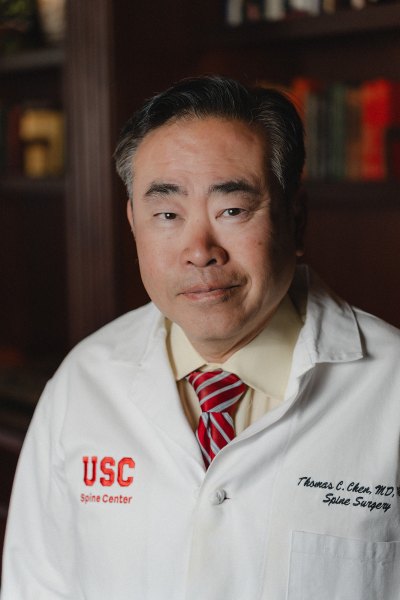
Dr. Chen ultimately developed a way to help brain cancer drugs get around the blood-brain barrier. “Currently, we’re doing what we call nasal-brain delivery. You’re inhaling the compound and letting your cranial nerves deliver it to your brain,” he explains.
Essentially, molecules of cancer drugs can be transported to the brain through the same mechanism we use to smell a flower or fresh-baked cookies. When you breathe in, tiny scent molecules travel up the olfactory nerve (one of 12 cranial nerves) and go straight to the brain. Likewise, when a brain cancer patient uses NeOnc’s nasal-brain delivery, molecules of life-saving drugs will be transported straight to their brains, too.
Currently, the nasal delivery system is undergoing clinical trials. It’s shown considerable promise, exceeding even Dr. Chen’s expectations. The patients eligible for the trial are those for whom existing treatment methodologies have failed. “These are people that are dying,” says Dr. Chen. “It’s not a double-blind test, but the results look very, very good so far.”
But there’s more — thanks to the portability of the system, patients can administer their own treatments in the comfort of their homes. That feature is incredibly convenient, but it also helps patients discover something even more valuable — hope.
“Hope is so important in patients that are getting treated,” Dr. Chen says. “When they are optimistic, when they have hope, they usually do better. If they’re in more familiar surroundings at home, they feel like they can continue their lives. And that’s our hope — that this treatment will enable the patients to do just that.”
Life & Style partners with external contributors. All contributor content is reviewed by the Life & Style editorial staff.