Breaking Boundaries in Food Innovation: CEO Revolutionizes Plant-Based Alternatives to Tackle Climate Change

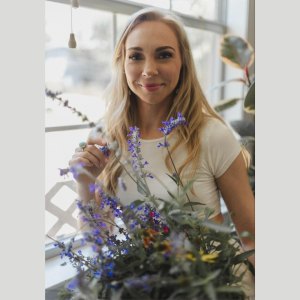
With over 20 years in the food industry, Christine Lewington is solving some of the most challenging problems in nutrition and women’s representation. Women contribute 40 percent of the global agricultural workforce but are still underrepresented and face significant barriers in senior leadership positions. But even more important than those critical issues, Lewington is on the way to making breakthroughs in combating climate change with her company, PIP International.
“Greenhouse emissions from food production are one of the major contributors to climate change, with animal-based products being the highest contributors. Including the production of beef, pork, dairy, animal feed, animal waste management, and the transportation of animals and their products,” says Lewington, founder of PIP International. “Plant-based foods require fewer resources to produce, emit fewer greenhouse gases, and are often healthier than their animal-based counterparts. By shifting our diets to include plant-based options, even just once a week, we can help reduce our carbon footprint while improving our health.”
Lewington says that climate change is one of the most pressing issues of our time. Its effects are felt in all aspects of life and with food. As weather patterns become more extreme and unpredictable every year there is risk to decreased crop yields and resulting diminishing food security for many people worldwide, she explains.
“The connection between climate change and food goes beyond just production; it also affects how we grow, transport, store, process, and consume our foods. Understanding this connection is essential to ensure that everyone has access to safe and nutritious foods while mitigating the impacts of climate change.”
Lewington founded PIP International, named for the pea isolate protein it produces, in 2019 to make a positive environmental impact on the planet. She researched the issues and discovered the value of the pea protein process. In 2021, PIP took a significant step forward by purchasing land and a facility that enabled it to expand production capabilities. Lewington and her team of agri-food experts are working on scaling up to meet the growing demand for their pea protein isolate. Christine says the journey has been transformative, fueled by a deep-rooted desire to address global challenges.
“At PIP, we believe in simplicity. Our message and approach are straightforward because we understand the importance of clarity. We are united by a shared vision of creating sustainable food solutions. We are ‘all in this together’ which means embracing collaboration and recognizing that our collective efforts are required to make a positive impact. PIP’s core objective is to provide food sustainably, ensuring that we contribute to a healthier future for both people and the planet.”
The company is on the verge of commissioning an expanded capacity at their $30 million pilot facility in Lethbridge, Alberta, with plans to scale up to a massive industrial scale $250 million operation. Lewington explains that PIP’s protein can contribute to individuals’ overall well-being with its complete nutritional benefits.

“Yellow peas, the foundation of PIP’s protein isolate, are considered the queen due to their superior nutritional profile. They contain all nine essential amino acids, making them a complete protein source. Yellow peas are abundantly produced and offer the highest health benefit factors,” Christine says. “Furthermore, PIP’s impact extends on a global scale already. We have clients in Europe, Germany, Korea, and the United States, and are expanding further to reach and benefit people worldwide.”
Other plants have to be combined, like beans with rice, to make a complete amino acid, whereas meat proteins already come complete. Lewington says yellow pea is the best because its amino acid profile is complete. It’s the only plant that presents the complete amino acid profile that we need to get from our food.
“Why is pea protein not the king of everything? It is pretty simple, the current pea protein options do not taste good,” Christine says. “You would win the hearts of consumers first, if you could solve the yellow pea taste issue and win the hearts of food manufacturers next if you help them do it affordably? So that’s what PIP has done. We’ve cracked the code. Our pea protein is neutral in color, has no taste, and has high functionality. That means you can create almost anything you want from it. We are having a lot of success with dairy alternatives as our proteins do not change the taste, they have a smooth texture and they are stable on the shelf.”
Funding for expansion is Lewington’s current focus. She’s working with venture capitalists and investors, which has become an easier discussion because of the pilot facility where they can come and see her team in action. Christine Lewingotn says that she is still looking for the best investor who will allow her to scale up to five plants in three years. However, it seems that the stereotypical gender biases towards lending to women is still very real.
“Gender stereotypes, biases, and inequalities persist in my industry. Shockingly, less than two percent of venture capital funds are allocated to women, which creates significant barriers for female entrepreneurs,” Lewinton says. “In addition, less than 15 percent of venture capital funds are explicitly given to the food industry. However, despite these challenges, I focus on those around me who believe in PIP and its mission. While some doors may close, others were opened because they see value in what we do, regardless of the gender of the CEO and founder.”
Lewington’s vision for PIP started in 2006 when she was in Panama. The poverty and lack of essentials for healthy living touched her heart and helped her recognize the world’s most pressing issues.
“I saw children drinking sewer water and bathing in the stream. And I thought, ‘What is wrong with our world that this is happening?’ And that day, I said, ‘One day, I’m going to change that.’ I will give away one of the water technologies inside of PIP that we’re using once we get it up and running. I will freely share some of these technologies that were developed and created inside of PIP, to anyone in the world that wants it.”
“PIP became the vessel through which I could pursue my vision and make a meaningful difference.” Christine Lewington and PIP International’s plan is to change the world, one yellow pea at a time and make it a more peas-ful place to live!
Article written by Donald Thomas
Life & Style partners with external contributors. All contributor content is reviewed by the Life & Style editorial staff.