NOEL CELIS/AFP via Getty Image
How to Clean Your Home If You Have Allergies or Asthma


The creation of this article included the use of AI and was edited by human content creators. Read more on our AI policy here.
Spring brings warmer weather, blooming flowers, and longer days—but for millions of people who struggle with allergies and asthma, it also brings sneezing, congestion, and itchy eyes. If you find yourself reaching for tissues more often as the seasons change, your home might be part of the problem. The good news? A thorough, allergy-focused spring cleaning can make a significant difference in how you feel.
Your Complete Guide to Allergy-Proofing Your Home This Spring
Spring brings longer days, blooming flowers, and for millions of people, the unwelcome return of allergy and asthma symptoms. If you find yourself reaching for tissues more often as the weather warms, you’re not alone—and the solution may start right inside your own home.
While many people associate allergies with outdoor triggers, the truth is that indoor allergens play a significant role in year-round symptoms. The good news? A thorough, strategic approach to spring cleaning can make a meaningful difference in how you feel every day.
Why Spring Cleaning Matters for Allergies and Asthma
During the winter months, homes stay sealed tight against the cold. Windows remain closed, heating systems circulate air continuously, and families spend more time indoors. All of this creates the perfect conditions for allergens to accumulate in carpets, bedding, upholstery, and ductwork.
When spring arrives, these built-up irritants combine with seasonal pollen to create a double challenge for allergy and asthma sufferers. This is precisely why spring cleaning isn’t just about tidying up—it’s about creating a healthier living environment.
“Even the cleanest of houses can use spring cleaning to start fresh and get rid of allergens that have built up over the winter,” says allergist James Tracy, DO, president of the American College of Allergy, Asthma and Immunology (ACAAI). “Allergy season can last all year for those who deal with indoor allergens, but it can be worse in spring when pollen becomes a factor. Getting rid of all types of allergens helps you cut down on symptoms.”
Understanding the difference between regular tidying and allergy-focused cleaning is essential. Standard cleaning might make your home look neat, but targeted allergen removal requires specific techniques, tools, and attention to areas that often get overlooked.
Common Household Allergens to Target
Before you begin cleaning, it helps to know exactly what you’re fighting against. Four main categories of allergens tend to accumulate in homes:
Dust mites are microscopic creatures that thrive in bedding, upholstered furniture, and carpets. They feed on dead skin cells and flourish in warm, humid environments. Their waste particles become airborne and trigger allergic reactions when inhaled.
Pet dander and hair affect many households, even those with hypoallergenic breeds. Dander consists of tiny flakes of skin shed by cats, dogs, and other animals with fur or feathers. These particles cling to fabrics and can remain in a home long after a pet has left.
Mold and mildew grow in damp areas like bathrooms, basements, and kitchens. These fungi release spores into the air that can cause significant respiratory symptoms for sensitive individuals.
Pollen gets tracked indoors on shoes, clothing, and even through open windows. Once inside, it settles on surfaces and can continue triggering symptoms long after you’ve come in from outside.
High-Priority Areas to Clean First
Not all areas of your home contribute equally to allergen exposure. Focusing your efforts on high-impact zones will give you the best results for your time and energy.
Bedrooms deserve top priority since you spend roughly one-third of your life sleeping. Mattresses, pillows, sheets, and curtains can harbor enormous quantities of dust mites. Start by washing all bedding in hot water, which kills dust mites effectively. Vacuum mattresses thoroughly and consider using allergen-proof covers on mattresses and pillows.
Living areas where you spend waking hours come next. Sofas, rugs, and throw blankets collect dust, pet dander, and pollen. Vacuum upholstered furniture using appropriate attachments and wash removable covers regularly.
HVAC systems, vents, and air filters circulate air throughout your entire home, making them critical to address. Dirty filters and dusty vents spread allergens to every room each time the system runs.
Entryways serve as the gateway for outdoor allergens. Doormats, shoe storage areas, and coat hooks near doors tend to collect pollen and dirt that gets tracked inside.
Best Cleaning Tools and Products
The tools you use matter just as much as where you clean. Standard cleaning equipment can actually make allergies worse by stirring up particles and redistributing them into the air.
HEPA-filter vacuums capture particles as small as 0.3 microns, trapping allergens instead of releasing them back into your home. Air purifiers with HEPA filters provide continuous filtration between cleanings.
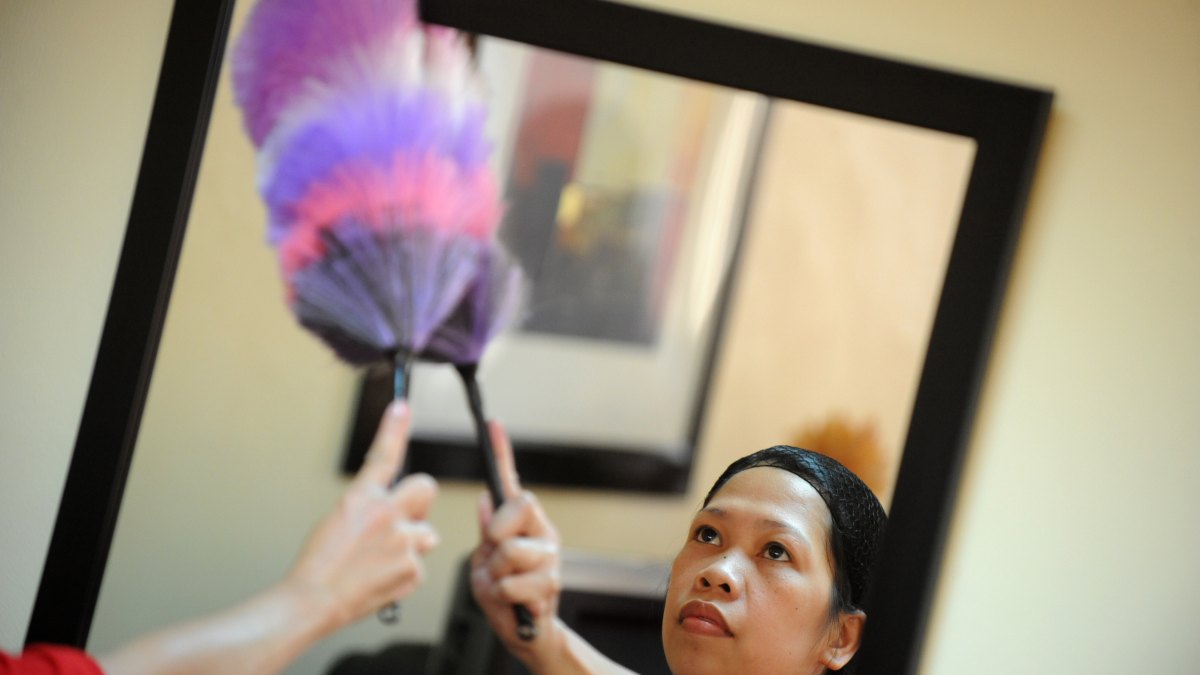
Microfiber cloths attract and hold dust particles rather than pushing them around like feather dusters do. Use them damp for best results on hard surfaces.
Fragrance-free and low-VOC cleaning products reduce the risk of triggering asthma symptoms. Strong chemical scents and volatile organic compounds can irritate airways even in people without diagnosed respiratory conditions. Avoid harsh chemicals like bleach and ammonia when possible, or ensure excellent ventilation if you must use them.

Laundry and Fabric Care Tips
Fabrics throughout your home act like allergen magnets, making regular laundering essential for symptom control.
Wash bedding weekly in hot water—temperatures above 130°F effectively kill dust mites. This includes sheets, pillowcases, and any blankets that touch your skin directly.
Don’t forget about curtains, cushion covers, and decorative throws. These items often go months without washing but collect significant amounts of dust and dander. Check care labels and wash or dry clean according to instructions.
Consider rotating or replacing old pillows and mattress covers periodically. Even with regular washing, these items accumulate allergens over time and may benefit from replacement every one to two years.
Mold and Moisture Control
Humidity levels directly impact both mold growth and dust mite populations. Keeping indoor humidity between 30% and 50% creates an environment less hospitable to these allergen sources.
Use exhaust fans in bathrooms during and after showers to remove moisture quickly. Run kitchen ventilation when cooking, especially when boiling water or using the stovetop.
Dehumidifiers help control moisture in naturally damp areas like basements. Empty and clean dehumidifier reservoirs regularly to prevent mold growth within the unit itself.
When cleaning mold-prone areas, wear a mask to avoid inhaling spores. Use appropriate cleaning solutions and ensure the area dries completely afterward to discourage regrowth.
Air Quality Improvements
Beyond cleaning surfaces, improving the air you breathe makes a substantial difference in daily comfort.
Change HVAC filters regularly—every one to three months depending on your system and household factors like pets. Consider upgrading to filters with higher MERV ratings for better allergen capture.
During high-pollen days, keep windows closed even when the weather feels inviting. Monitor local pollen counts and plan outdoor activities accordingly.
Air purifiers prove most helpful in bedrooms and main living areas where you spend the most time. Position them away from walls and furniture for optimal air circulation.
Daily Habits to Keep Allergens Away
Once you’ve completed a thorough spring cleaning, simple daily habits help maintain your results throughout the year.
Remove shoes at the door to prevent tracking pollen, dirt, and outdoor allergens throughout your home. Keep a designated spot for footwear near the entrance.

Groom pets regularly, ideally outdoors or in an easy-to-clean area. Brushing removes loose fur and dander before it spreads throughout your living spaces.
Quick daily wipe-downs of high-touch surfaces prevent dust buildup between deeper cleanings. A few minutes each day proves more manageable than marathon cleaning sessions.

Breathing Easier Starts at Home
Consistent, allergy-conscious cleaning can significantly reduce symptoms throughout the year—not just during spring. While it may seem overwhelming at first, remember that small changes add up to meaningful improvements in your daily comfort.
Start with the highest-priority areas, invest in the right tools, and build simple maintenance habits into your routine. Your respiratory system will thank you, and you may find that home truly becomes a refuge from allergy symptoms rather than a source of them.





Conversation
All comments are subject to our Community Guidelines. Life & Style does not endorse the opinions and views shared by our readers in our comment sections. Our comments section is a place where readers can engage in healthy, productive, lively, and respectful discussions. Offensive language, hate speech, personal attacks, and/or defamatory statements are not permitted. Advertising or spam is also prohibited.