LUCA SOLA/AFP via Getty Images
Virginia Zoo Highlights Conservation Efforts By Dehorning Rhinos: Everything to Know


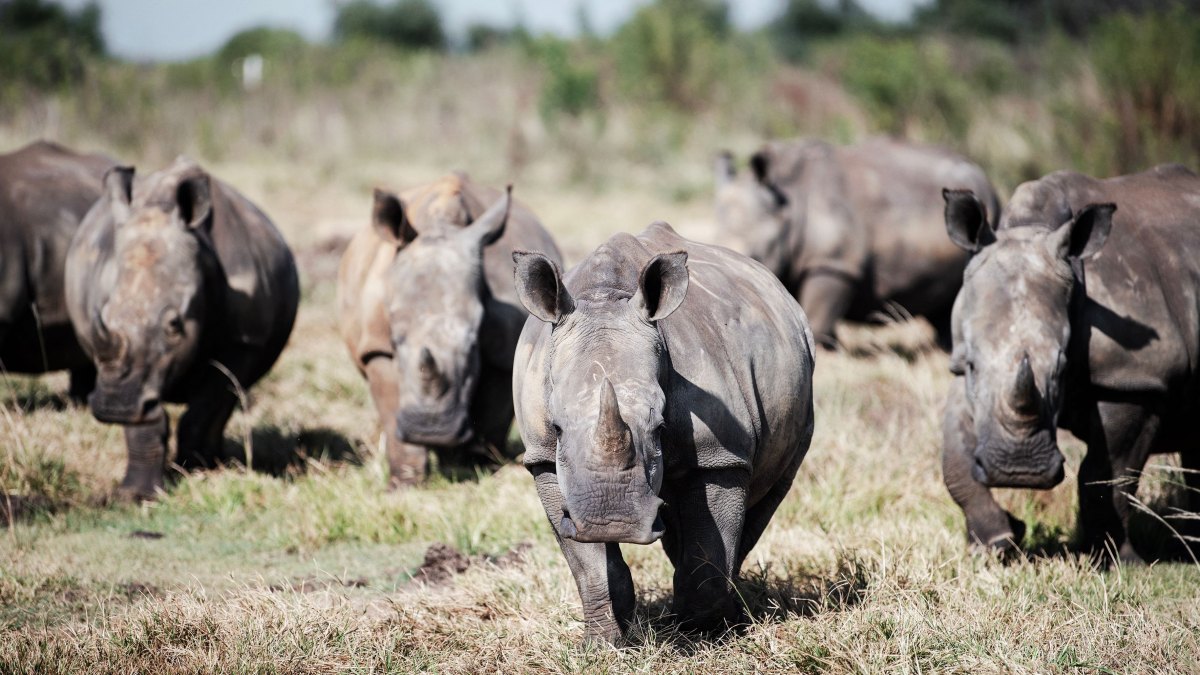
The Virginia Zoo in Norfolk has put an emphasis on environmental conservation, and recently shared how Emily Spence, the zoo’s Curator of Africa, traveled to South Africa in August 2025 to help with a rhino dehorning process.
Life & Style breaks down everything to know about the process to dehorn rhinos and the benefits.
Why Are Rhinos Dehorned for Conservation?
According to the Virginia Zoo’s website, dehorning rhinos is one of the best ways to conserve the species. Not only does rehorning a rhino not harm them, but it also reduces their value to poachers.
Rhinos’ greatest threats of survival come from poaching for their horns. The horns are poached for several reasons, including cultural beliefs that rhino horns have medicinal properties or that the horn is simply viewed as a status symbol.
Conservationists have set out to dehorn rhinos in light of the species’ populations drastically declining in recent years. While there were approximately 500,000 rhinos in the early 20th century, there are now only about 27,000 remaining in the wild today.
By dehorning rhinos, conservationists are making rhinos less valuable in the eyes of poachers.
Rhinos Horns Eventually Grow Back After Being Dehonered
If the rhino’s horn is trimmed in a proper way, their horn will eventually grow back. The species’ horns are made up of keratin, which continues to generate throughout the animal’s lifetime, according to The Call to Conserve.
Due to the horns growing back, conservationists are always making sure that rhinos are being protected as much as possible.

Virginia Zoo Is Dedicated to Conservation
In addition to sharing insight into the dehorning process of its website and Instagram, the Virginia Zoo is also dedicated to spreading awareness about conservation.
“Our world is changing, and we are gradually becoming more aware of the challenges facing our wildlife. Conservation of wild species, animals and plants alike, and their wild homes is what the Association of Zoos and Aquariums (AZA) and the Virginia Zoo are all about,” the zoo’s website reads. “But it’s in our own backyards that we can make the biggest difference in preserving our natural habitats.”
The section continues, “All life on Earth is connected through sharing resources and living space. As humans, we have the power to positively impact our environment and the other organisms living on Earth. Here at the Virginia Zoo, we will show you how.”
The website goes on to share ways anyway can help with conservation, including details about sustainability, conservation funds and community science.




Conversation
All comments are subject to our Community Guidelines. Life & Style does not endorse the opinions and views shared by our readers in our comment sections. Our comments section is a place where readers can engage in healthy, productive, lively, and respectful discussions. Offensive language, hate speech, personal attacks, and/or defamatory statements are not permitted. Advertising or spam is also prohibited.